
History
How LEO (Lyons Electronic Office) started the modern computing era
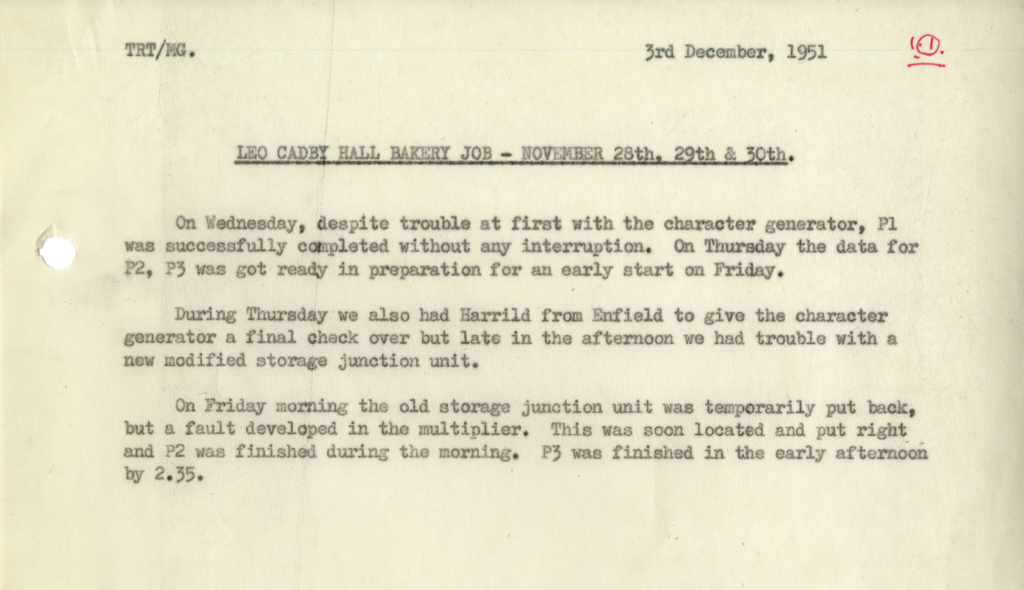
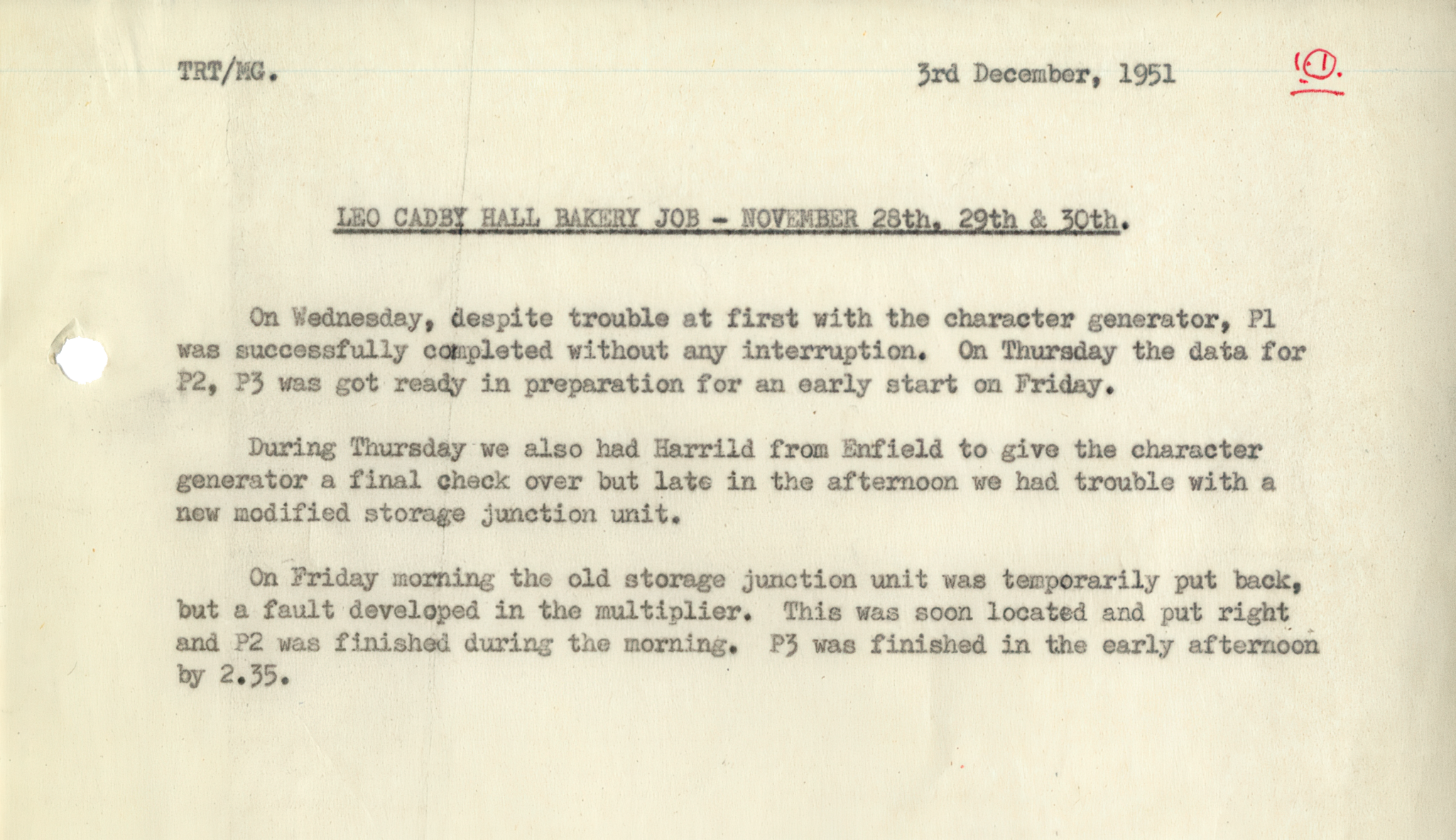
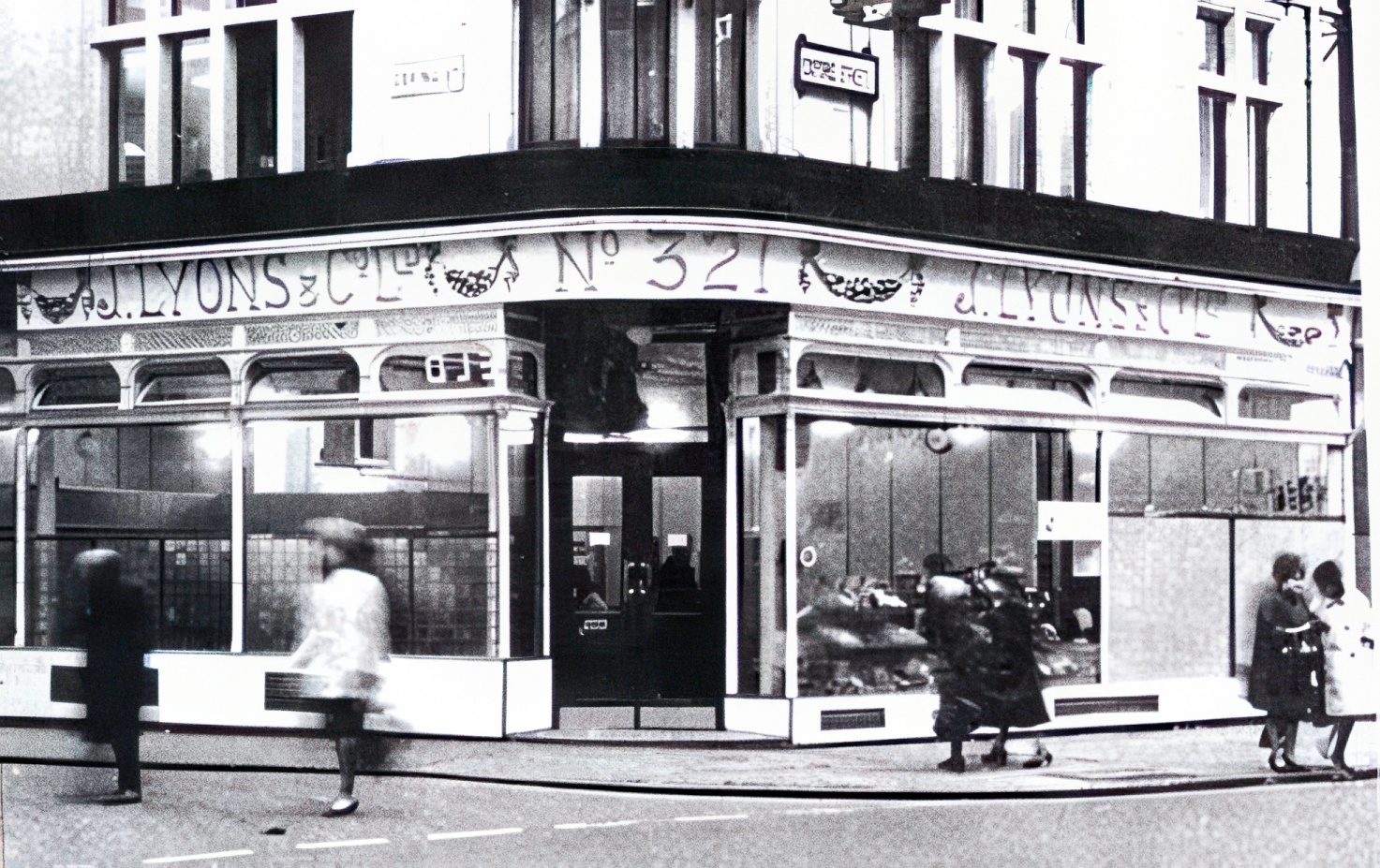
On 30 November 1951 at 14:35, the modern computing era began in a room above a tea warehouse in Hammersmith, London. It had taken three days (28, 29, 30 November 1951) to run and many months of preparation and testing before that. The ‘run’ on a huge, valve-based machine marked the world’s first use of a computer for business, and the dawn of the world’s first IT department, a chain of British teashops run by J. Lyons & Co. (abbreviated to Lyons).
An exhausted post-war Britain might seem an unlikely starting point for a computing ‘first’ that beat every American research laboratory – but a few ambitious mathematics graduates, with input from Cambridge University experts, helped to transform the teashop chain into the first truly modern company, and usher in a new age of business.
History of LEO: The first business computer
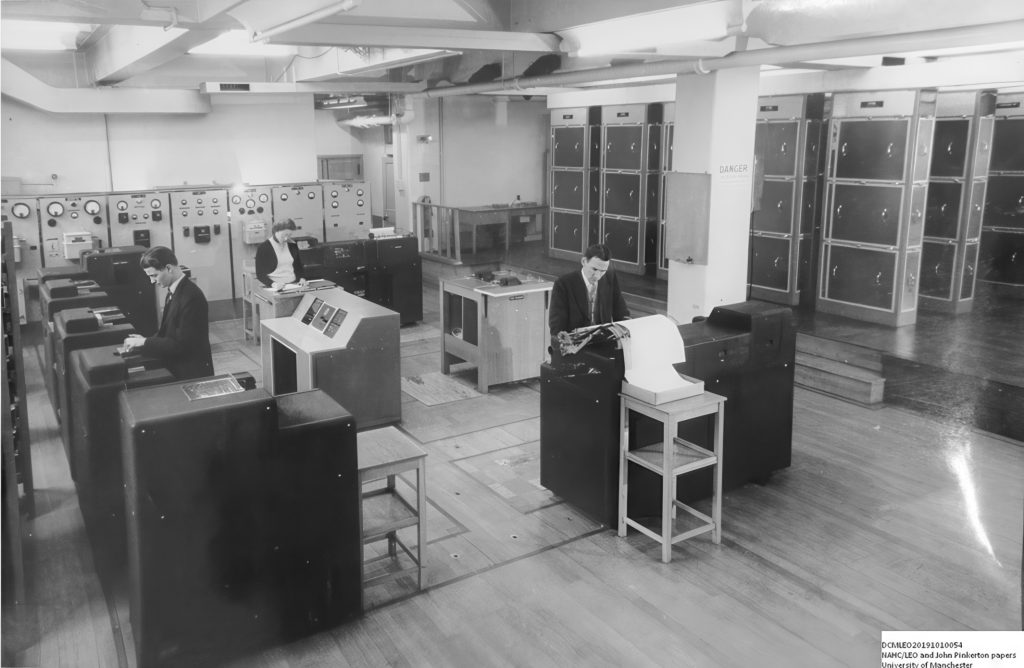
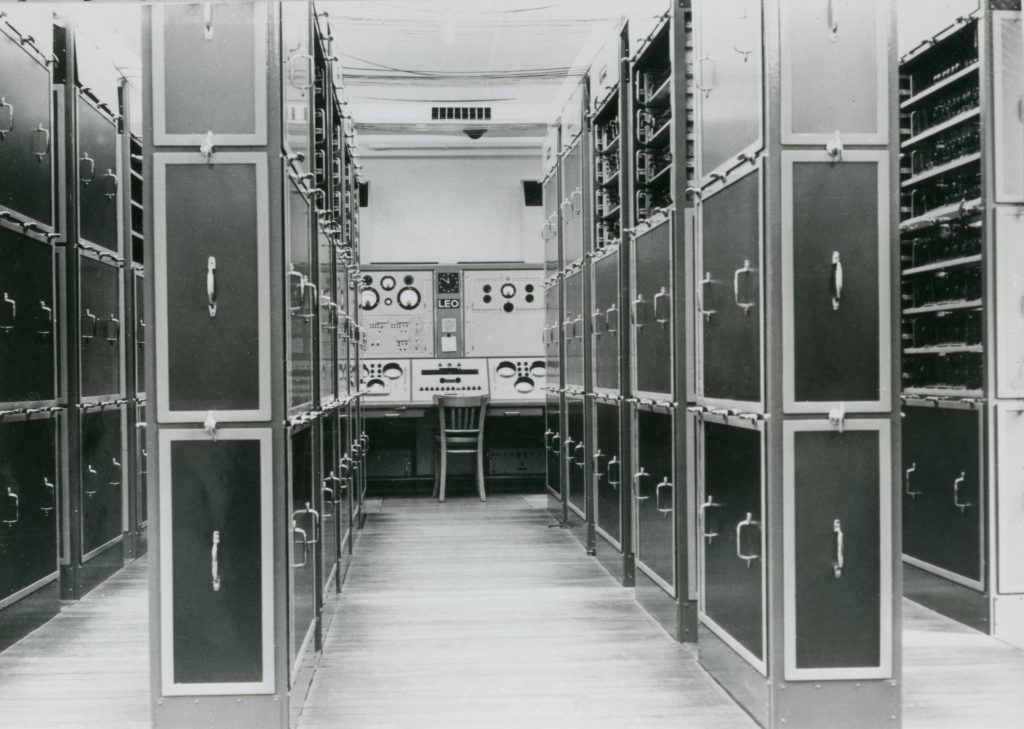
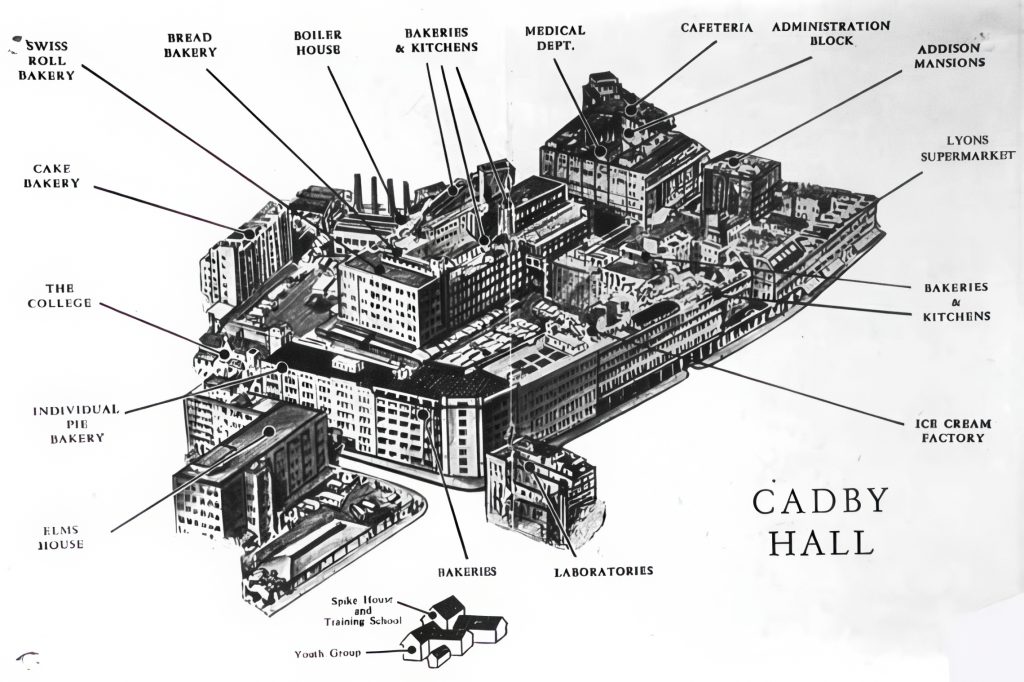
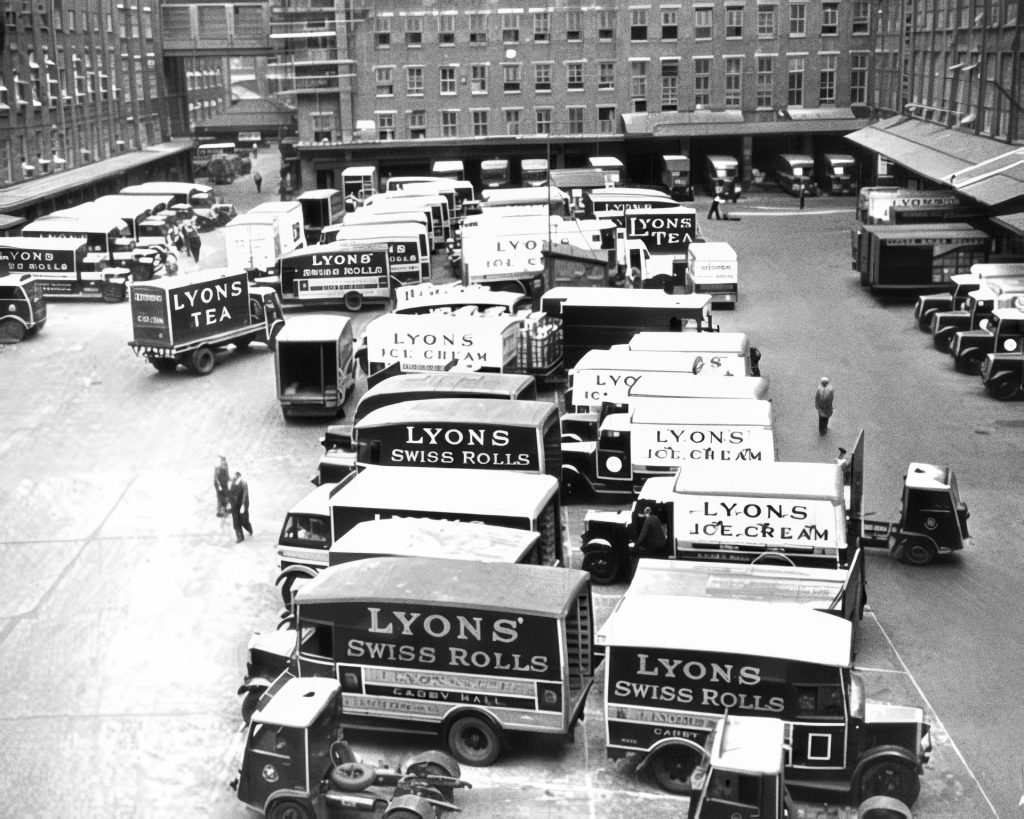
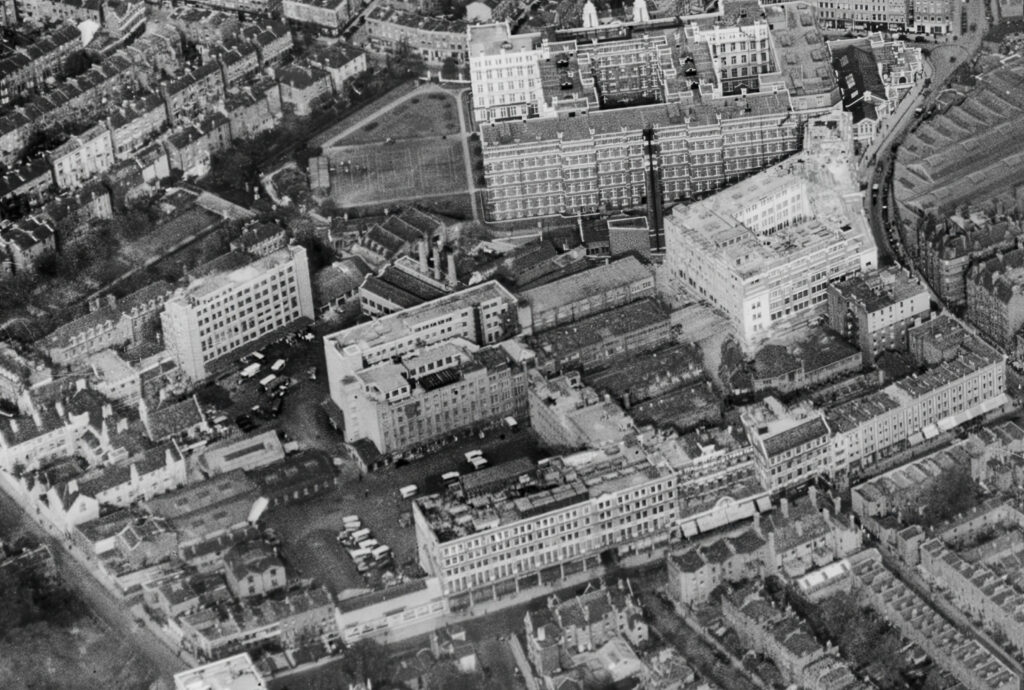
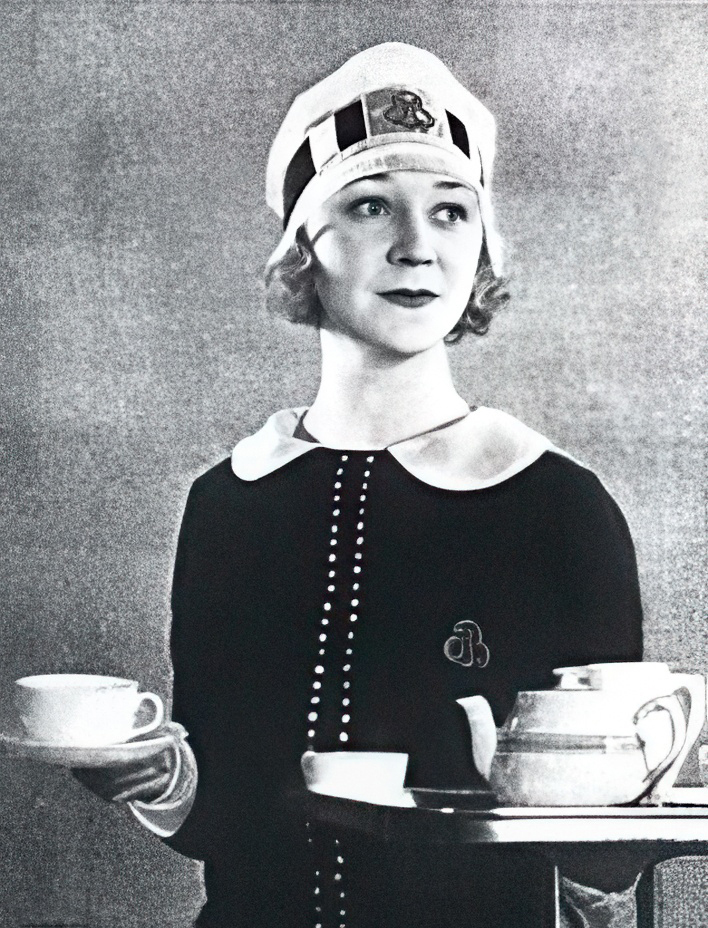
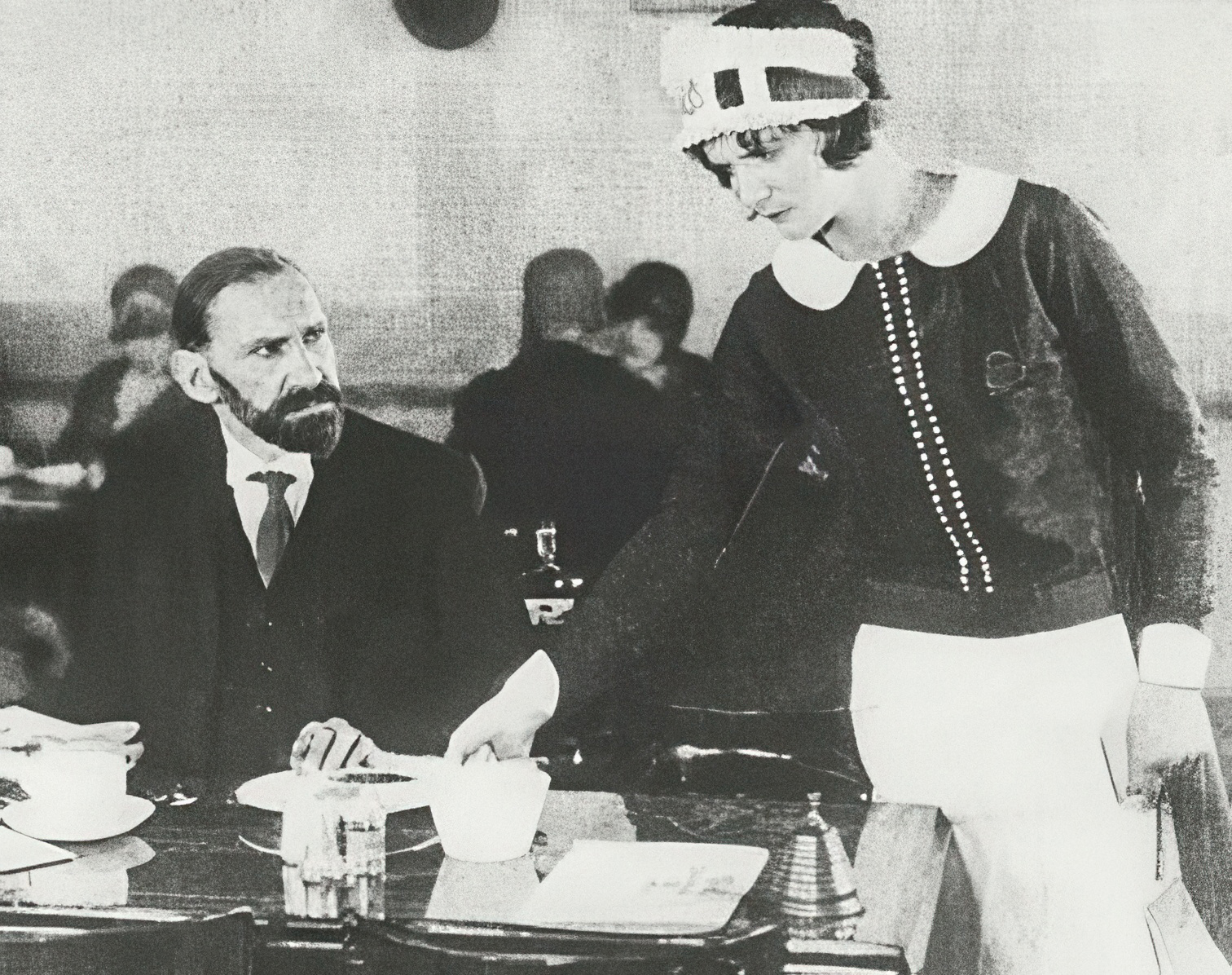
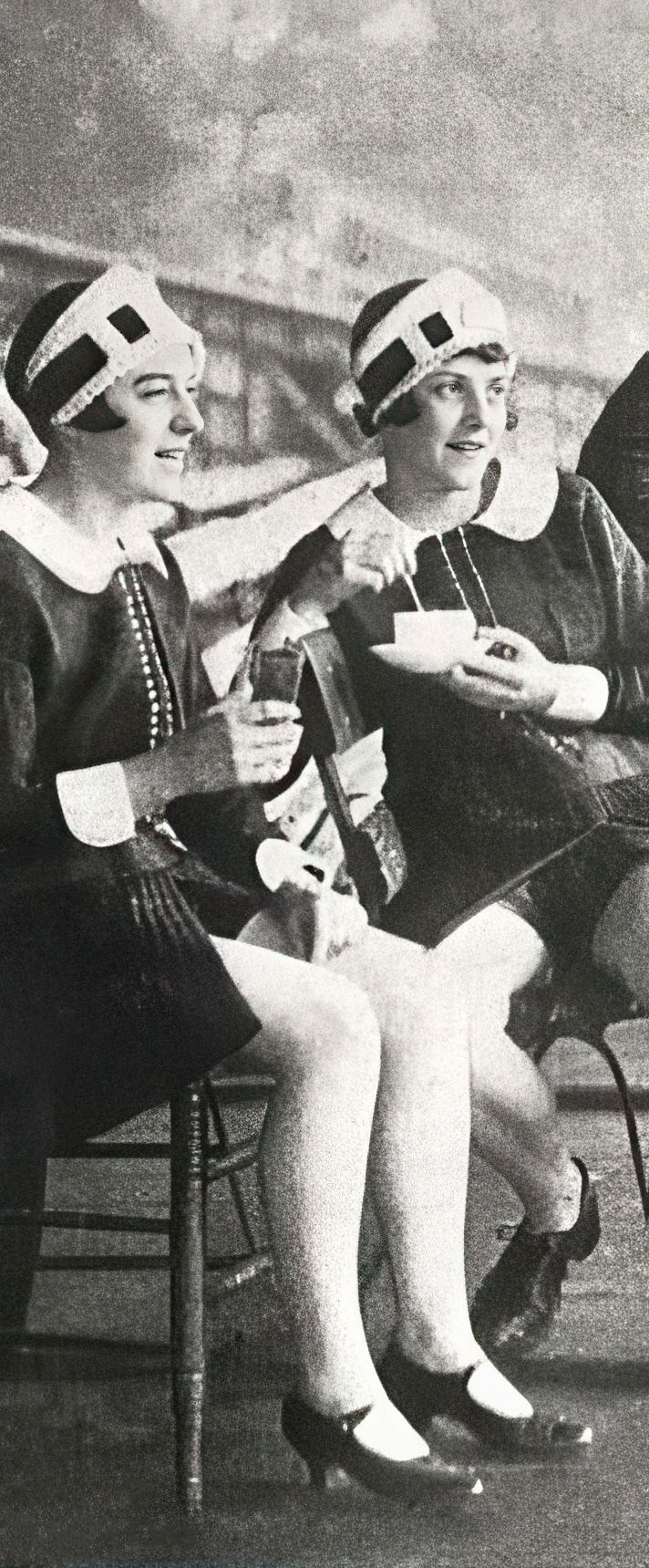
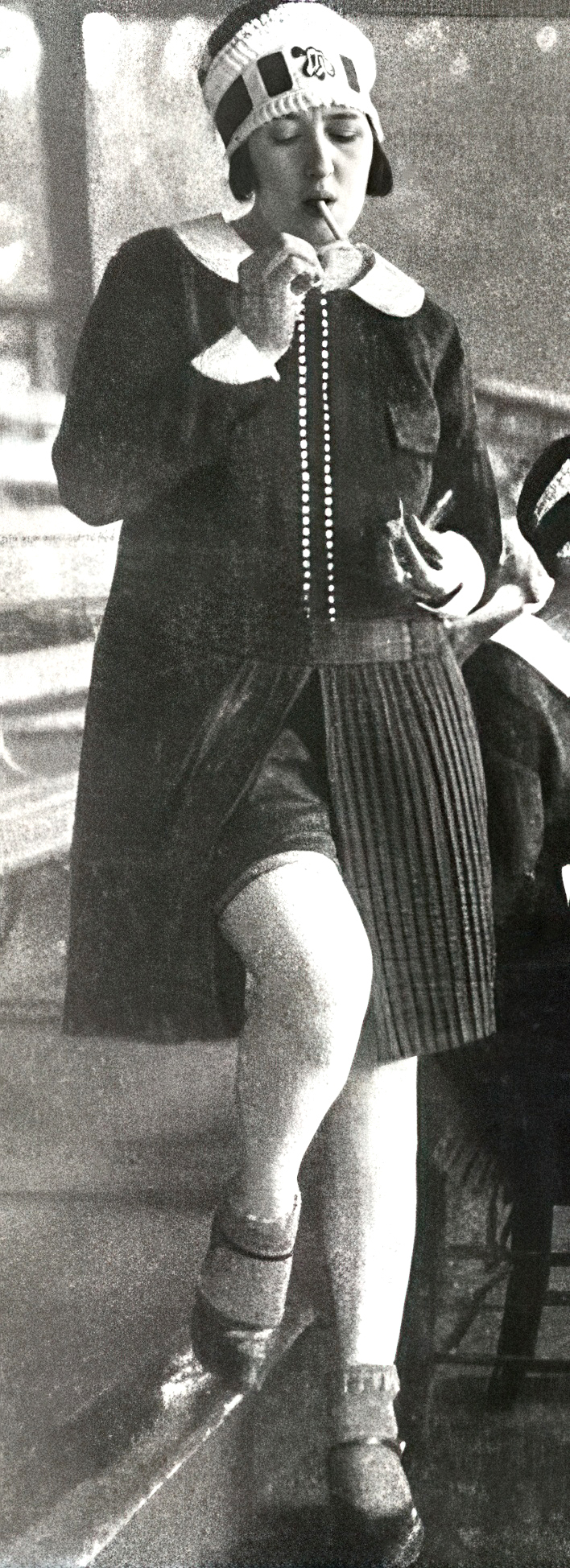
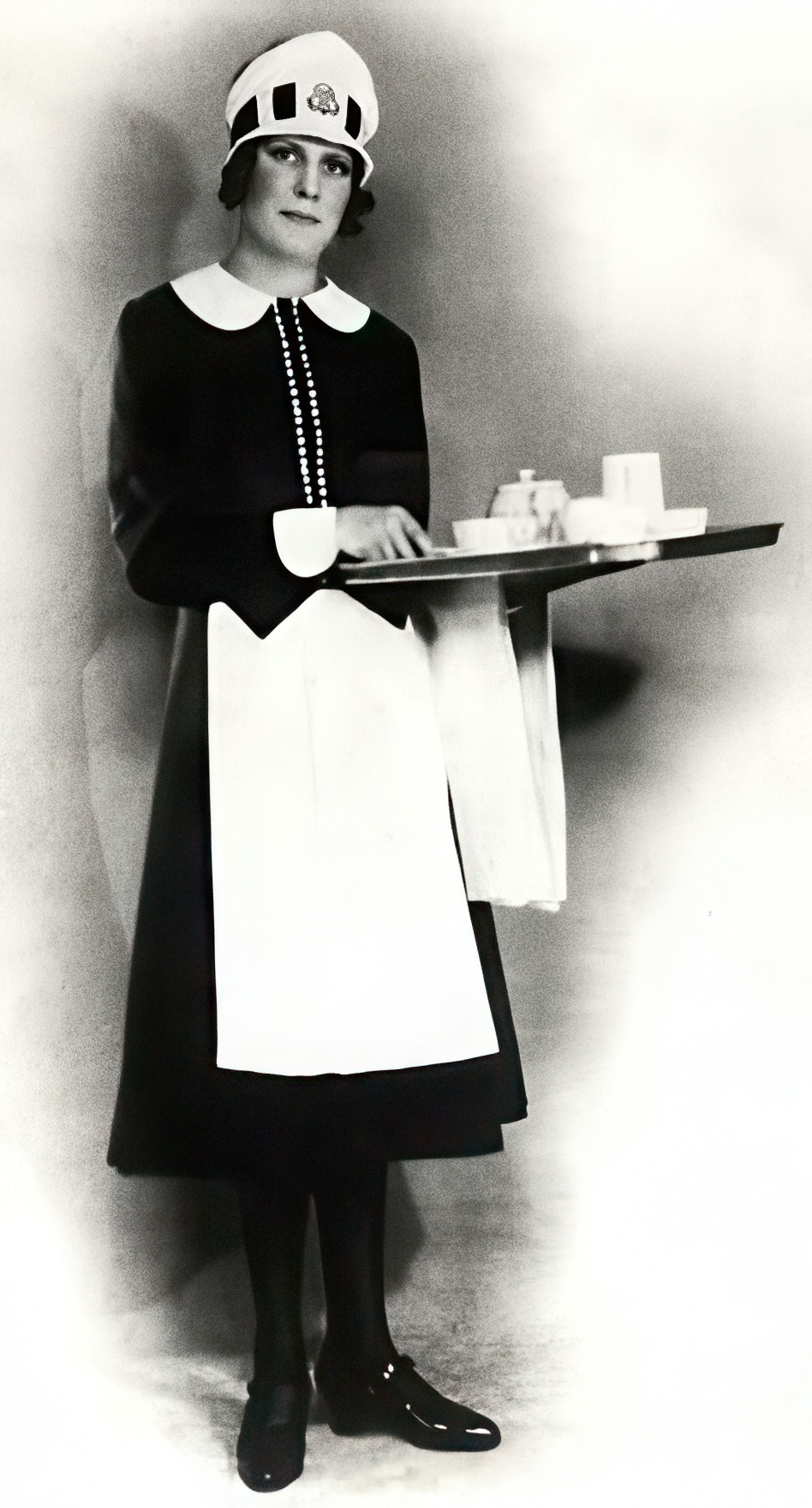
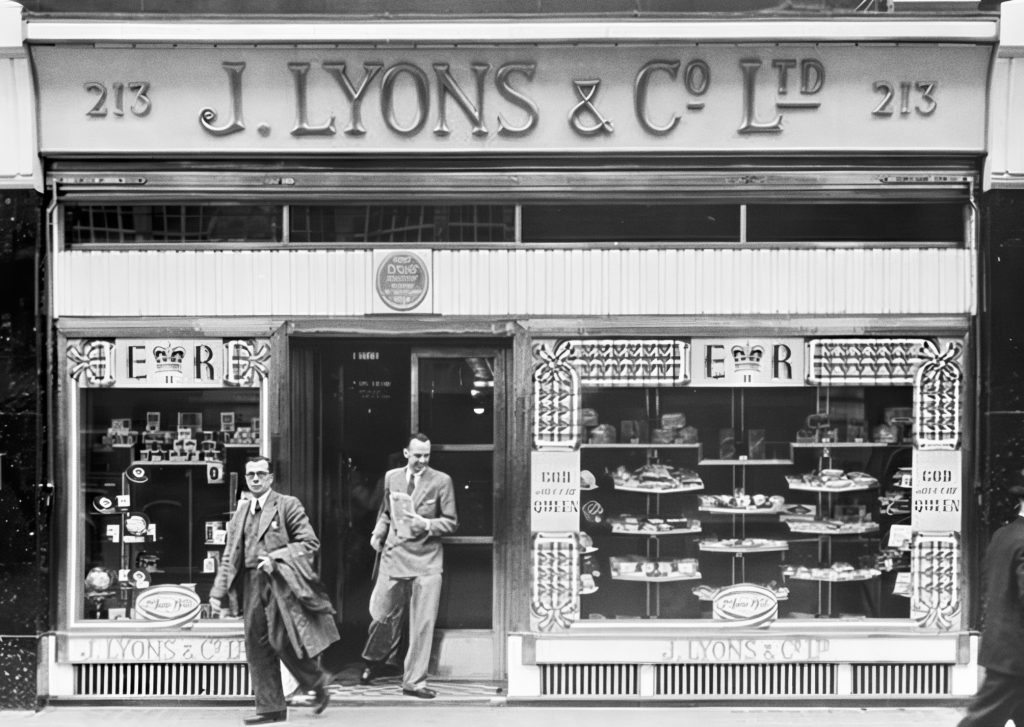
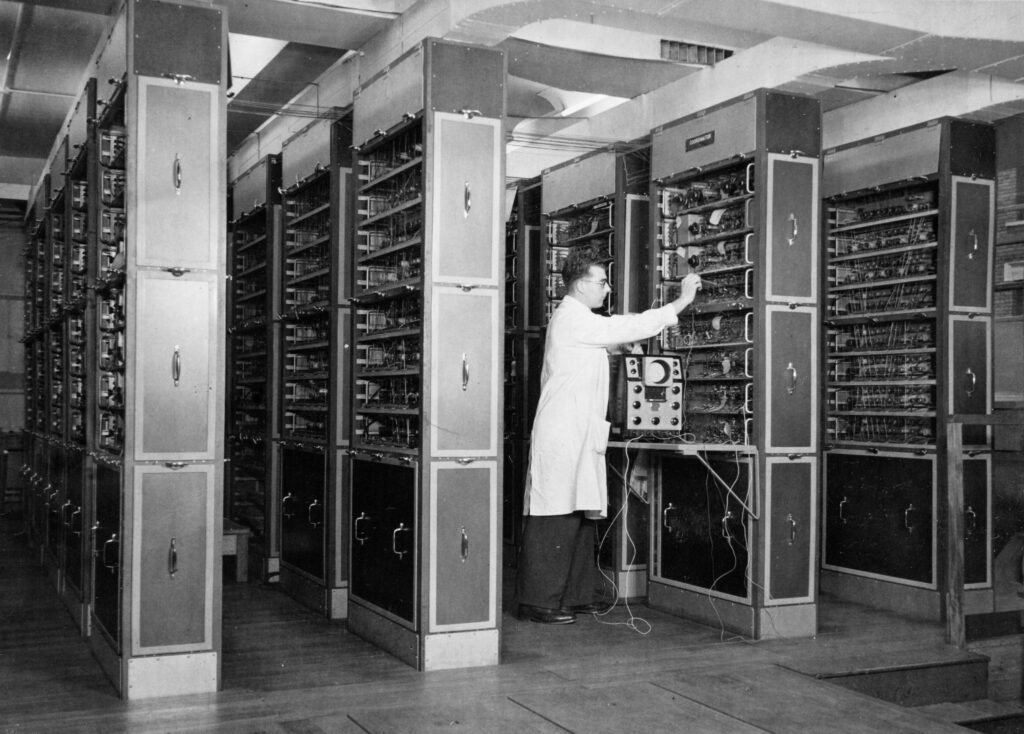
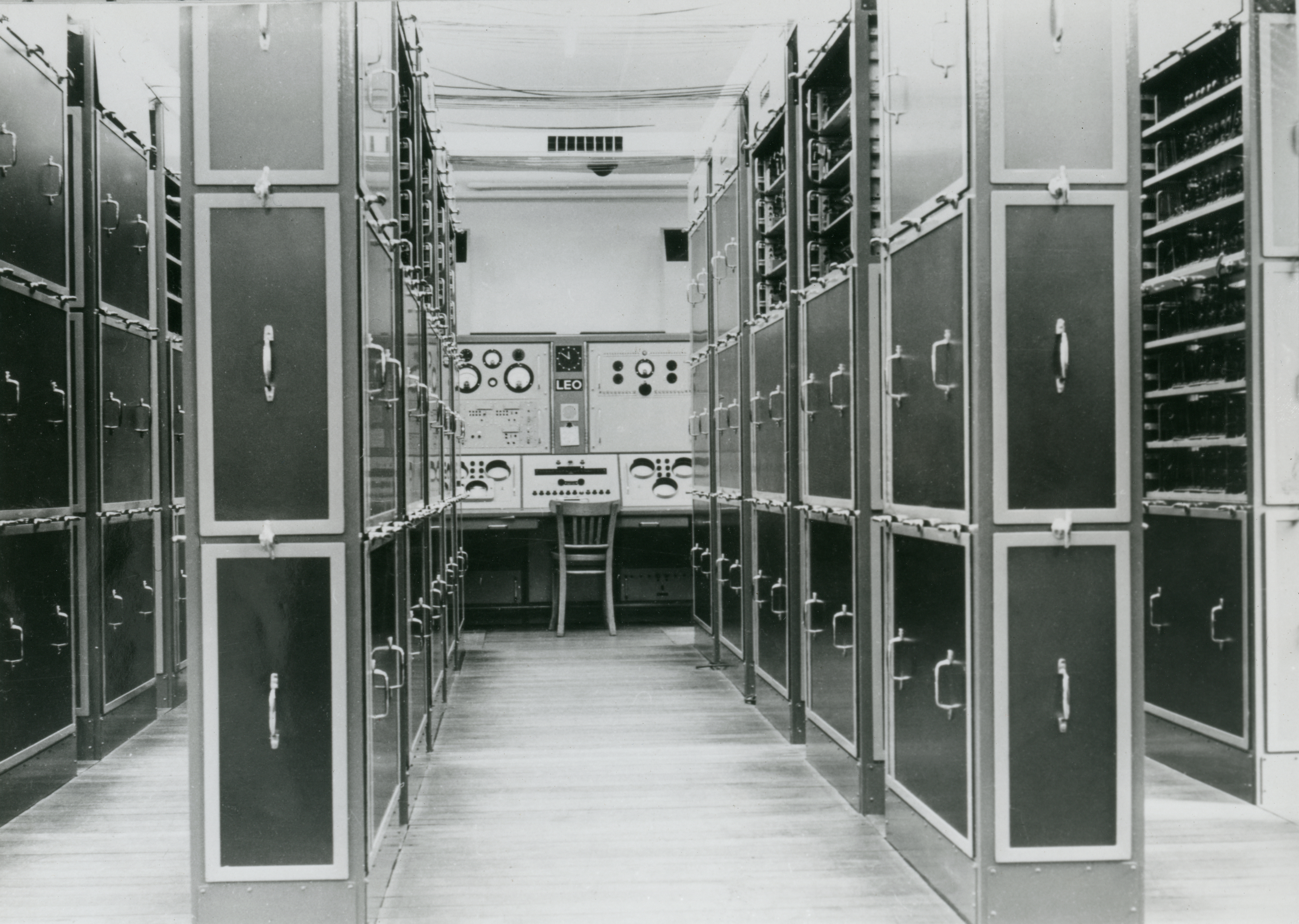
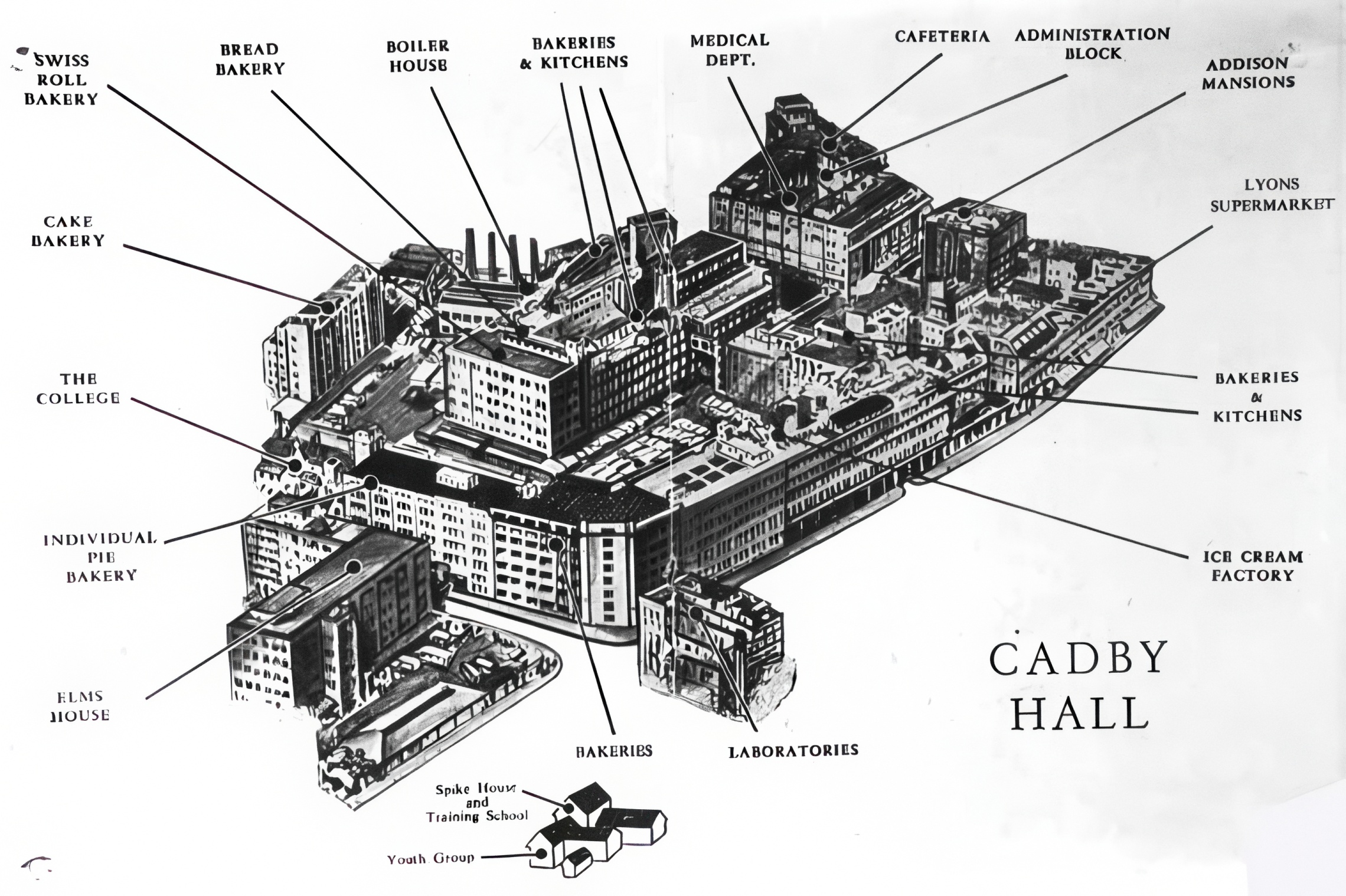
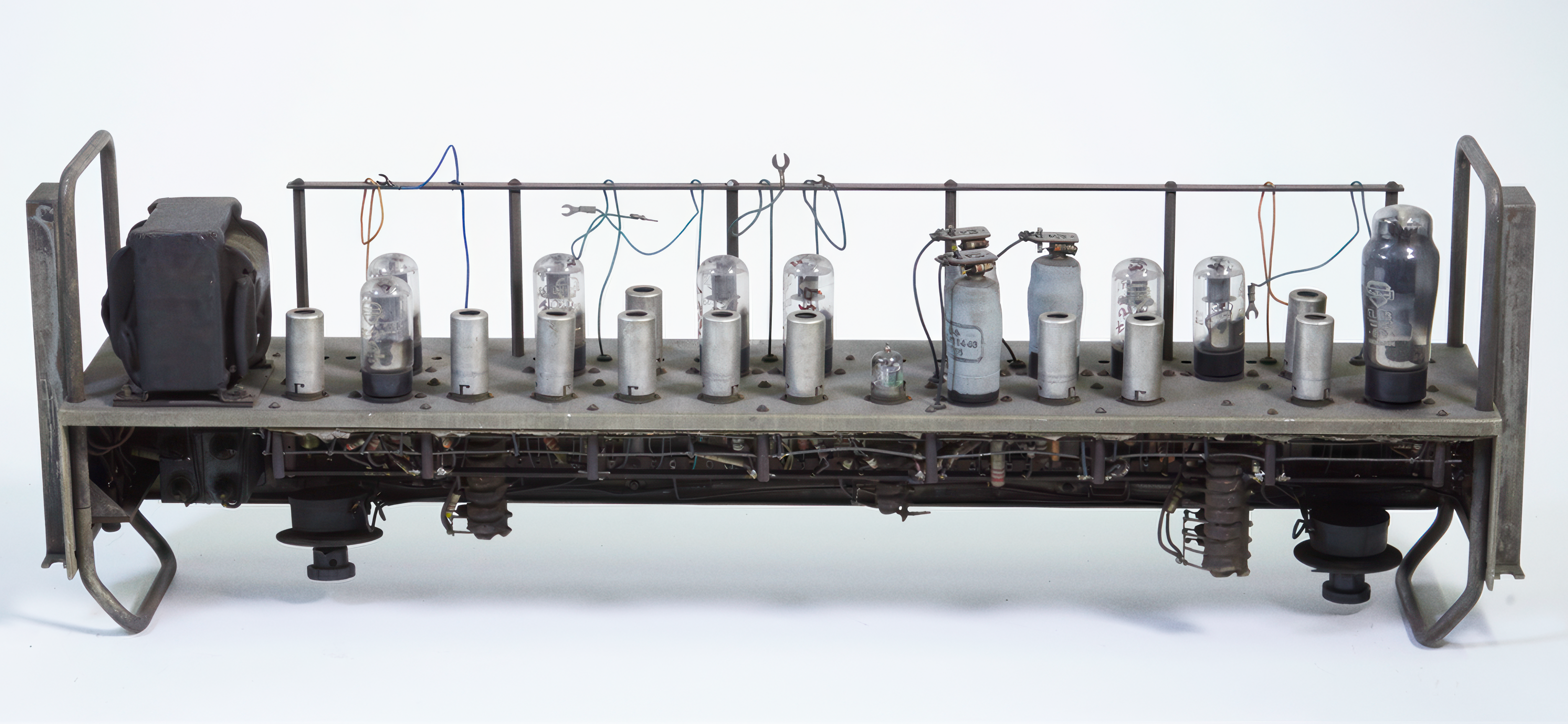
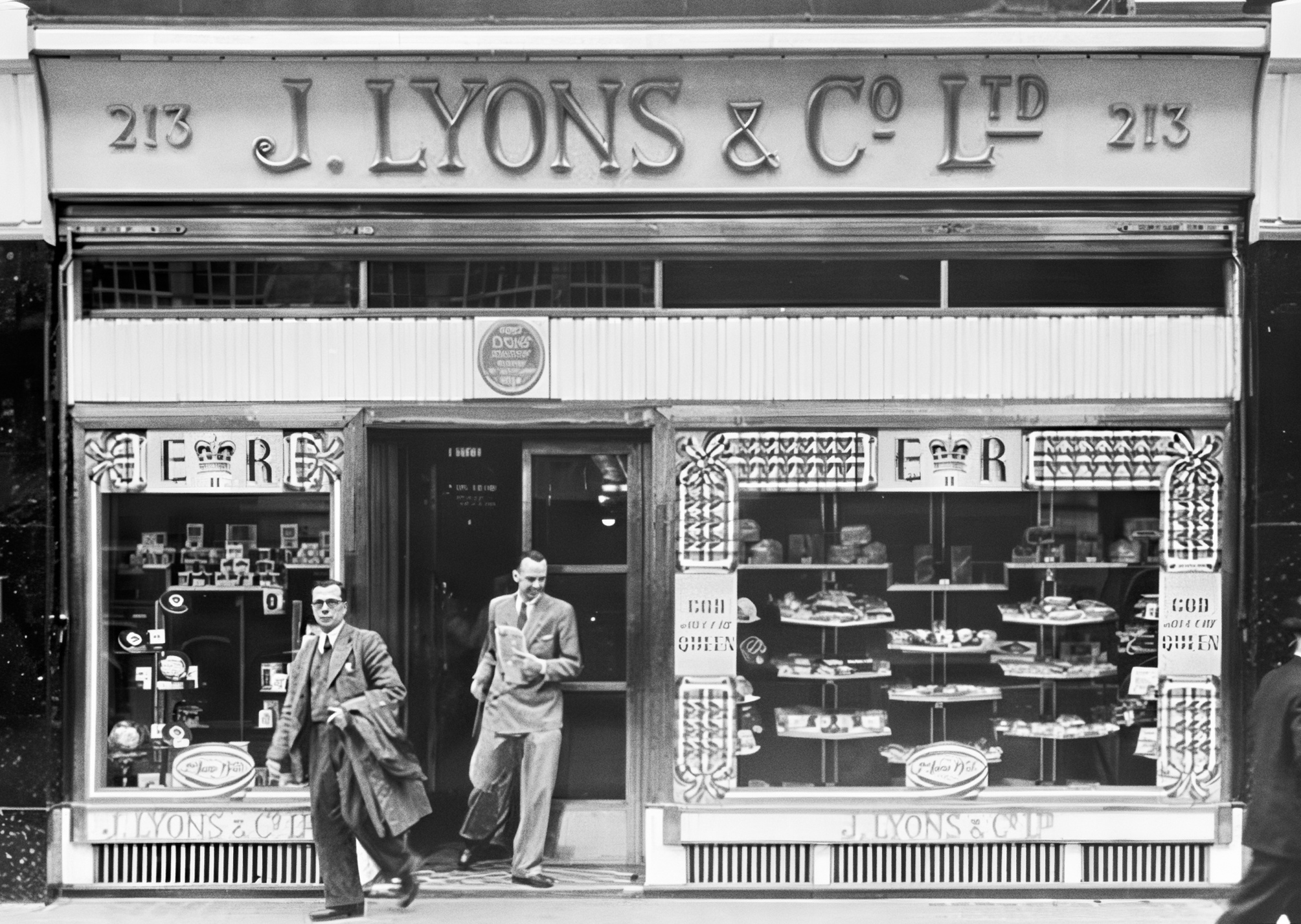
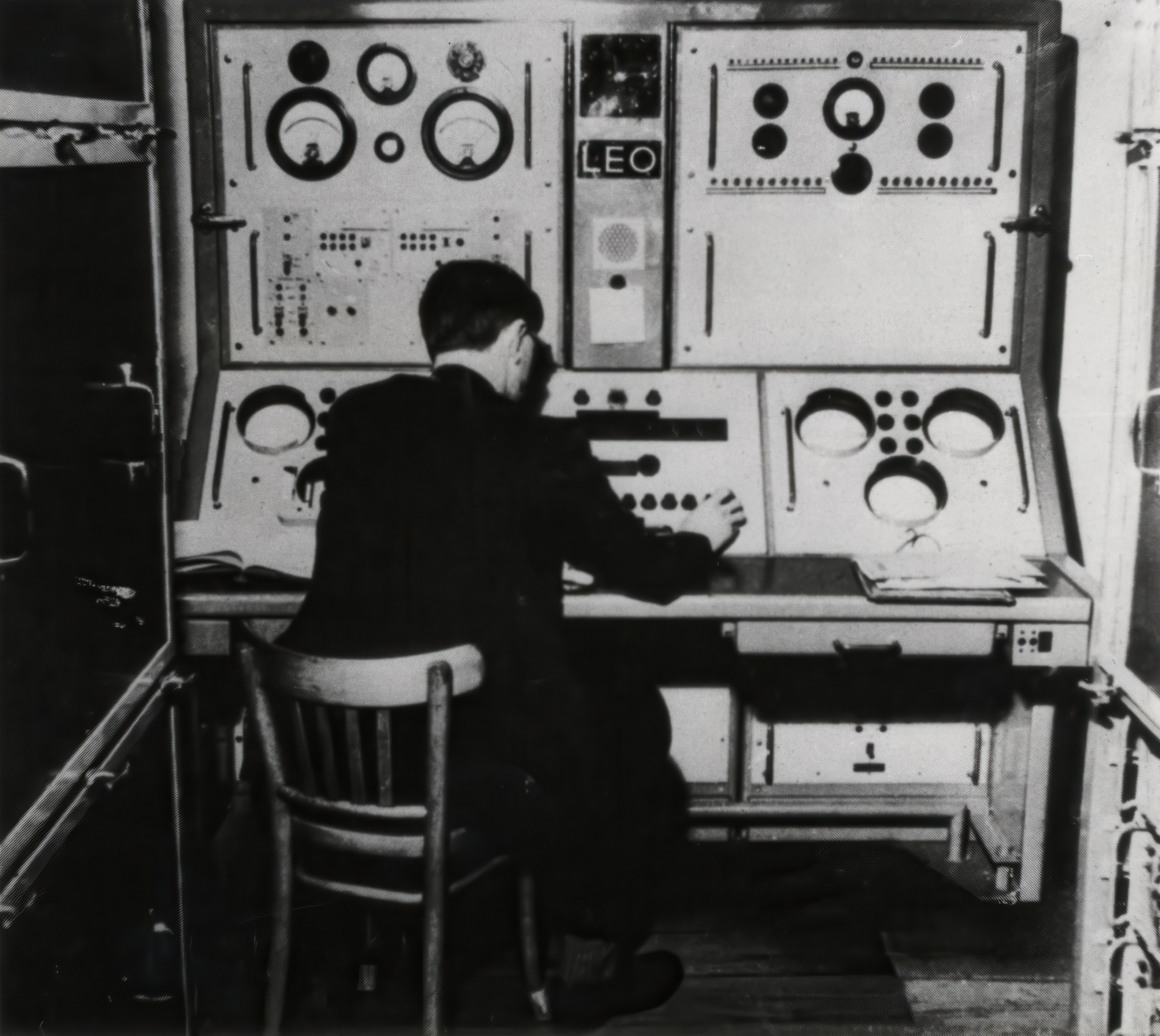
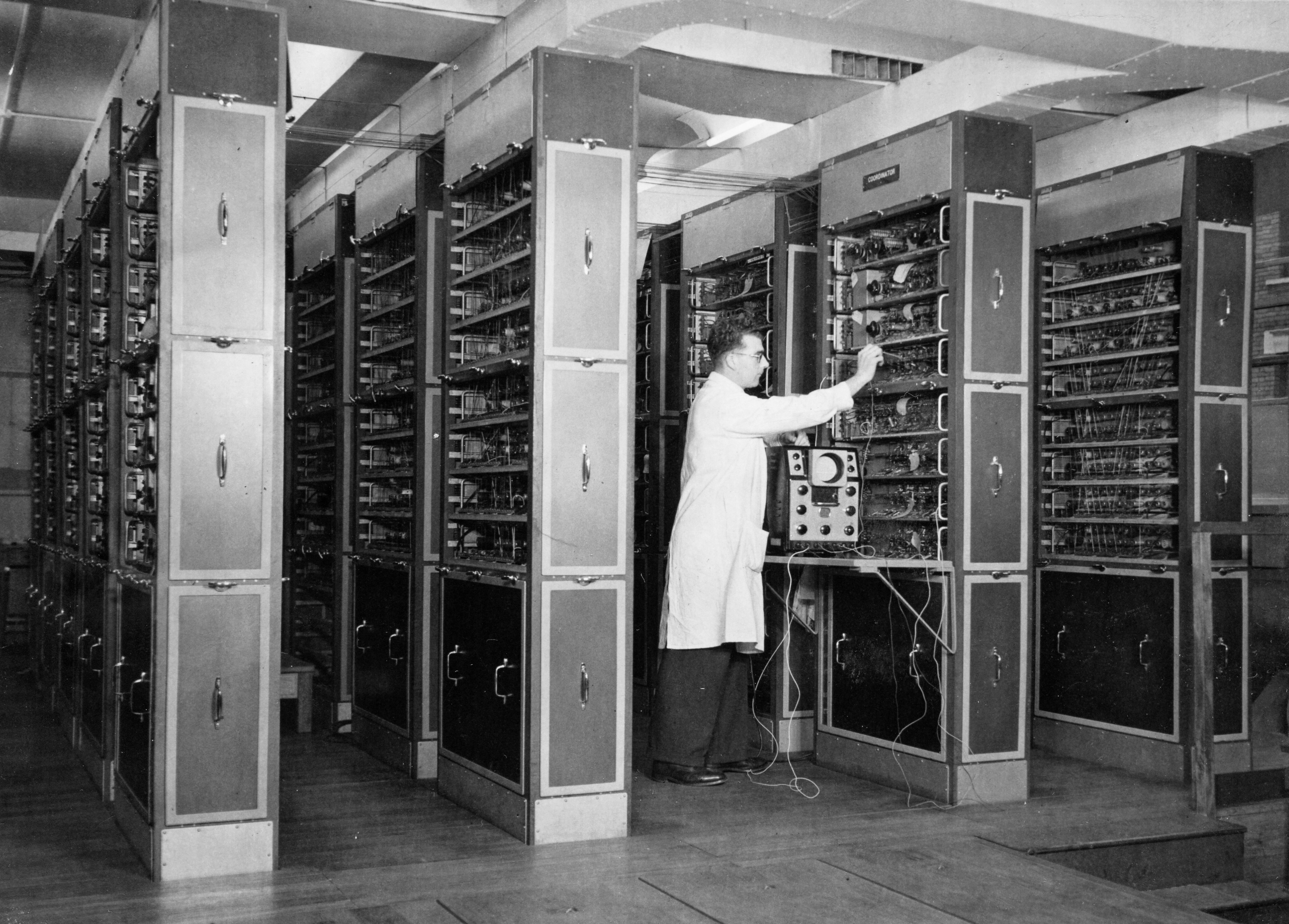
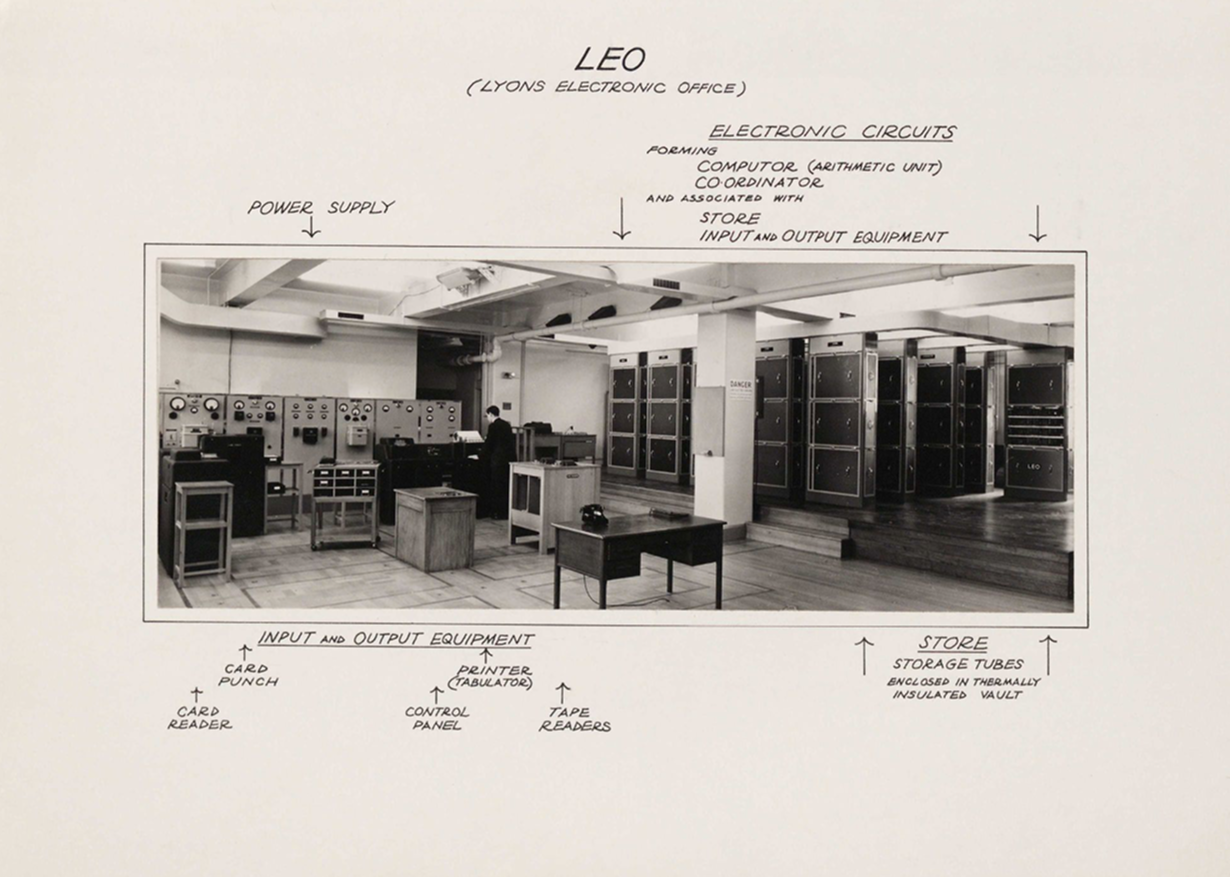
Lyons’ teashops were a network of more than 253 tea shops across Britain, with their waitresses known as ‘Nippies’ (a reference to their speed), and the chain processing millions of teashop transactions daily with 5,000 clerks. J. Lyons & Co. was constantly pioneering methods in which to improve processes and logistics in order to become as effective and as fast as their ‘Nippy’ waitresses! The Lyons Electronic Office – LEO – entered service in 1951 – With more than 6,000 valves and 64 mercury delay-line tubes, LEO filled a room measuring 2,500 square feet at Lyons’ Cadby Hall complex.
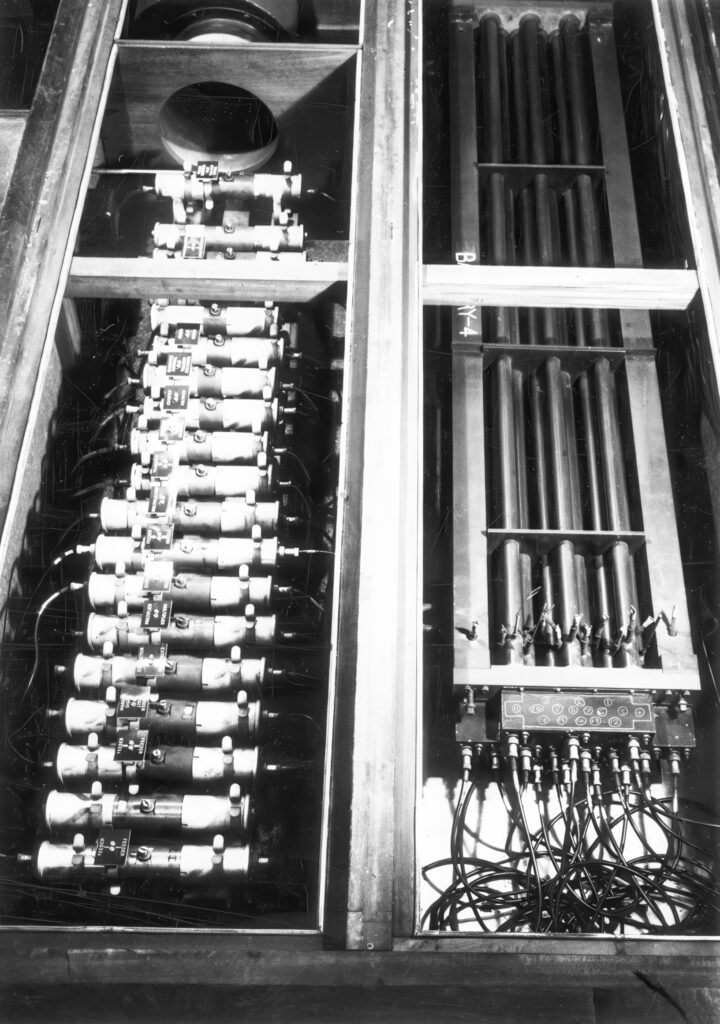
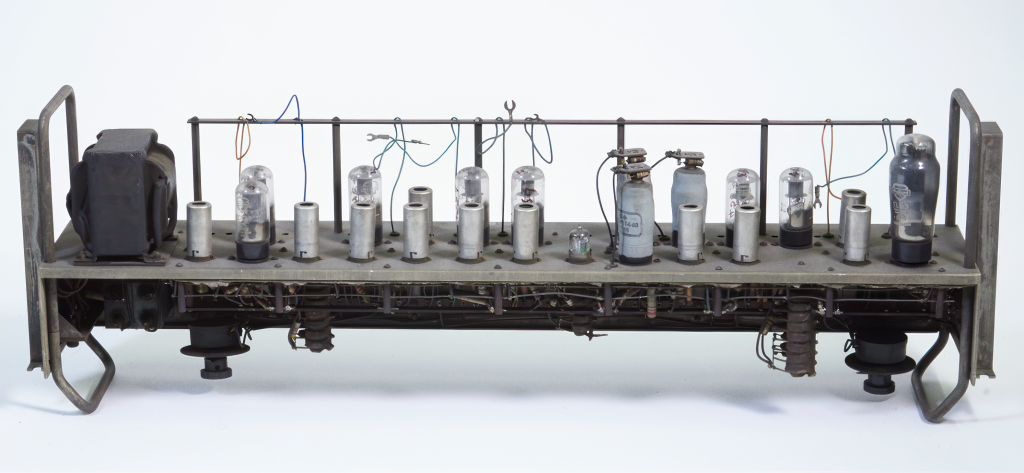
© Birmingham Museum
Despite its size, LEO offered the equivalent of just 2KB of memory and could run only one programme at a time. But importantly, for business it could overlap the input/output of data and processing which scientific computers could not, allowing it to simultaneously read and write data whilst doing simple calculations on the data – a first of its kind.
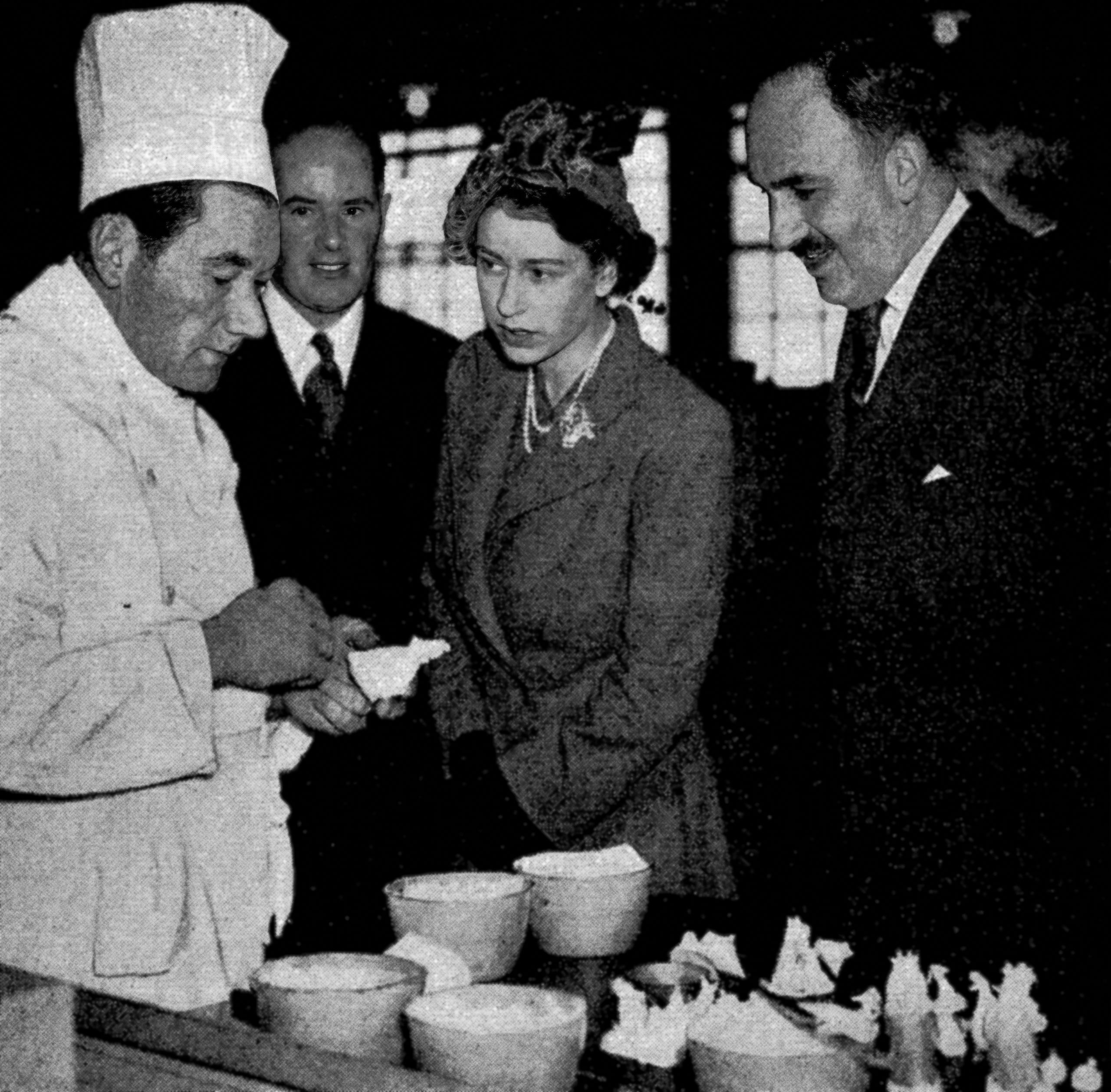
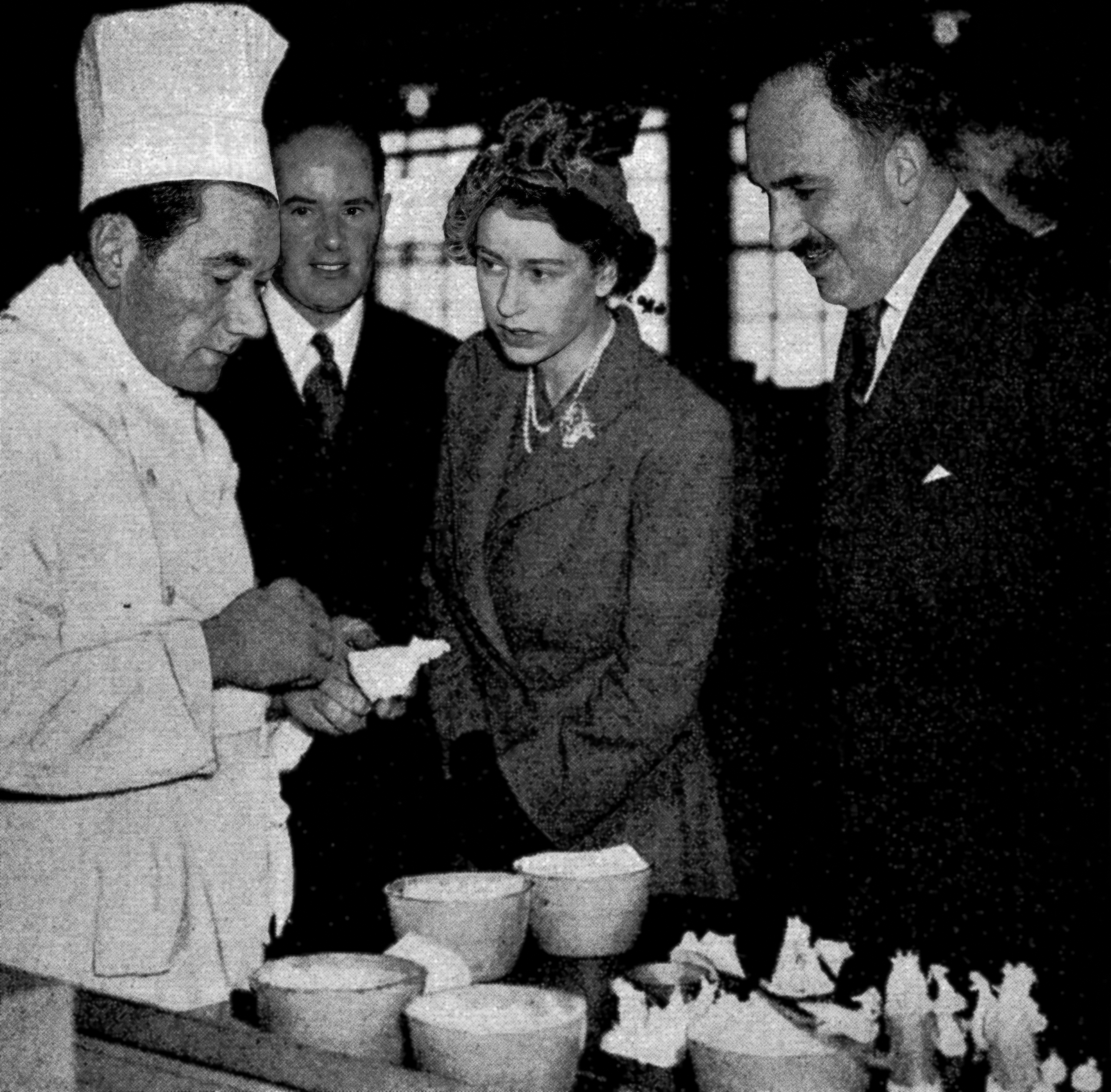
In February 1951, a young Princess Elizabeth was shown the machine running a test programme, and LEO then began work running what is recognised as the world’s first business application, which processed orders from Lyons’ teashops, calculated the bakery requirements and produced schedules for deliveries and staffing. The machine was to run continuously until 1965. All of today’s enterprise IT – from ERP (Enterprise Resource Planning) suites to cloud business services – trace their ancestry back to LEO, as does the role of every business analyst and programmer.
LEO: How J. Lyons & Co. built the first business IT system
We dreamt of some wonderful machine where all you would need to do would be to feed in paper and press buttons and get all the answers that you wanted.
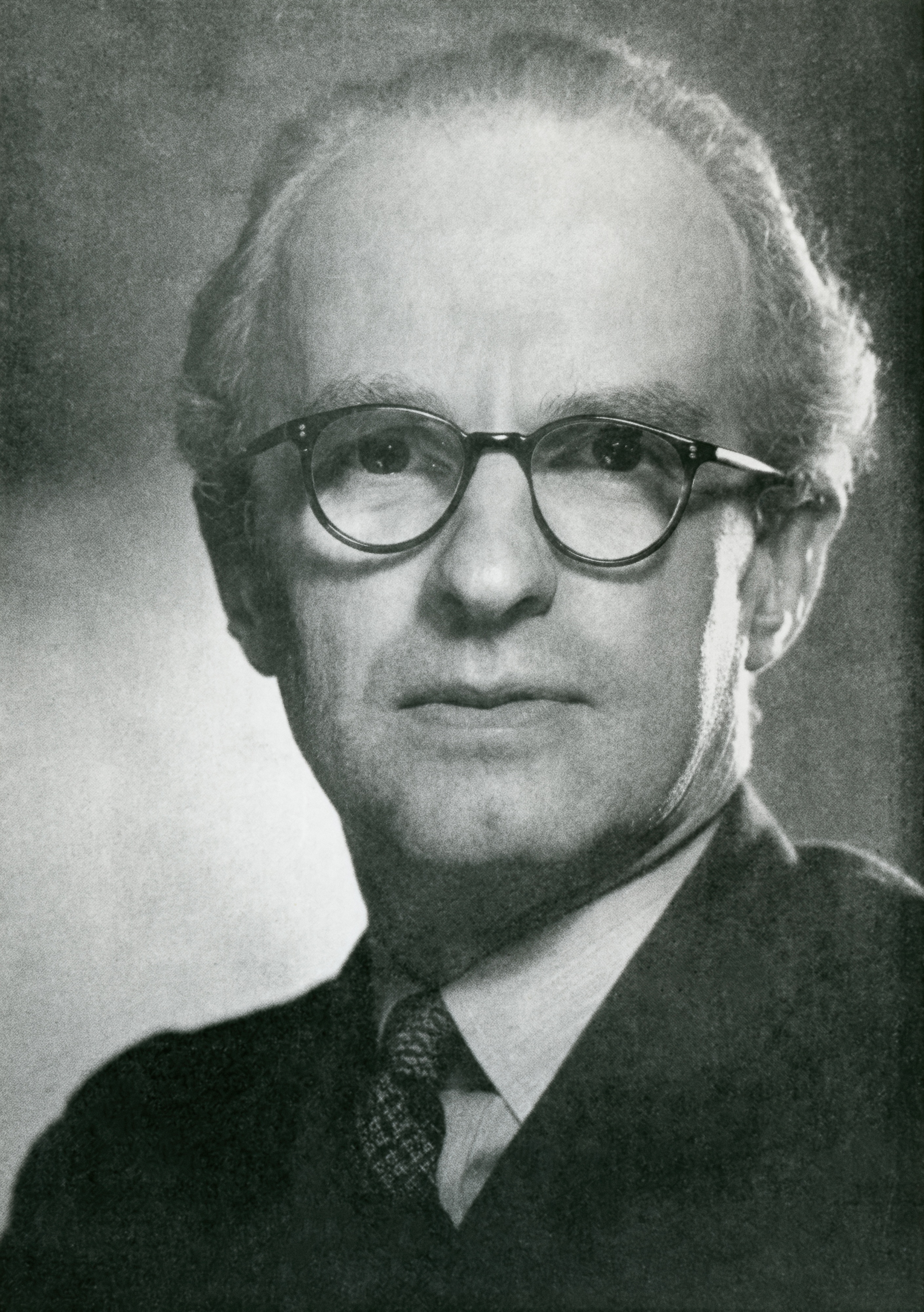
John Simmons, J. Lyons & Co. Director and systems researcher
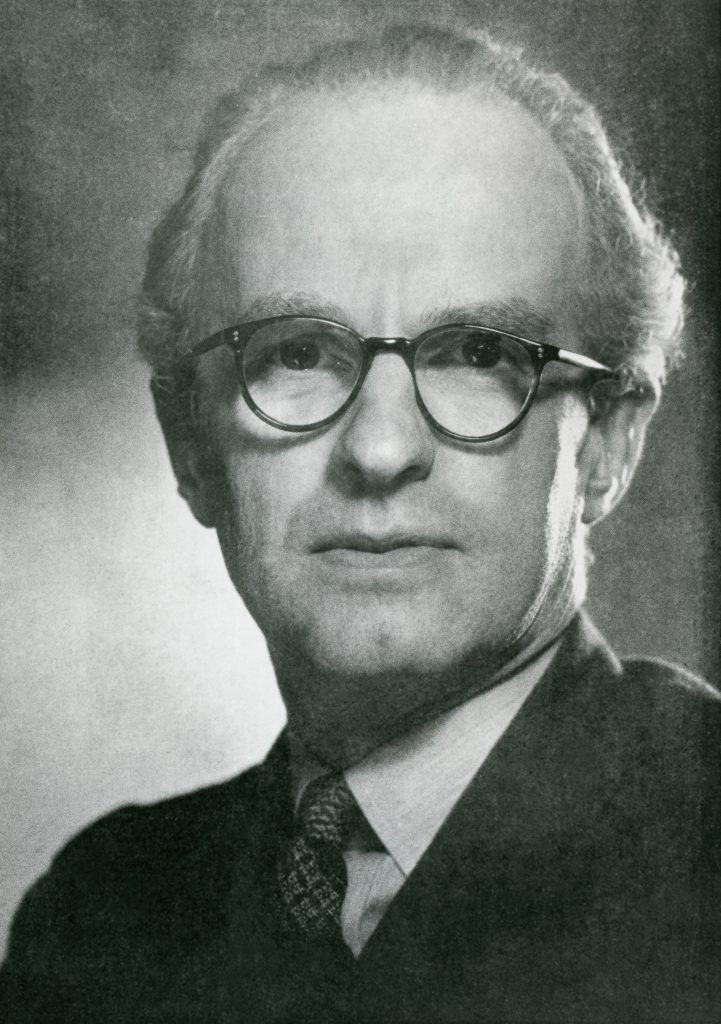

In the early 1930s, Lyons created an office under executive John Simmons, a graduate with a first-class Cambridge mathematics degree, dedicated to improving the way Lyons operated. Simmons imagined a machine capable of automating the daily work of calculating millions of teashop transactions.
In 1947, Simmons dispatched executives Oliver Standingford and Raymond Thompson on a fact-finding mission to the United States where they met with Herman Goldstine, a mathematician and computer scientist who’d helped develop ENIAC (Electronic Number Integrator and Calculator), the world’s first programmable computer, which went into operation in 1945, calculating missile trajectories for the U.S. military.
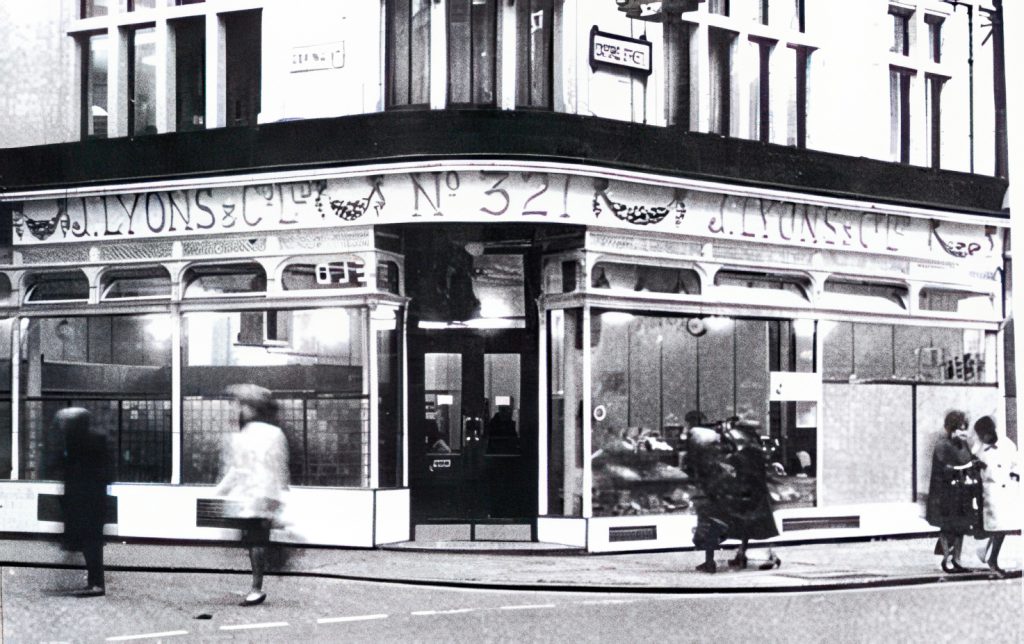
Inside LEO: History of the first office tech
Simmons’ team returned armed with a vital piece of information from Goldstine: Cambridge University’s Mathematical Laboratory was developing another such computer.
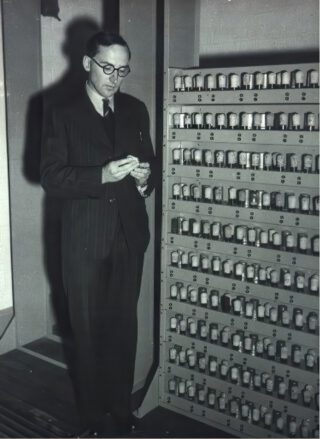
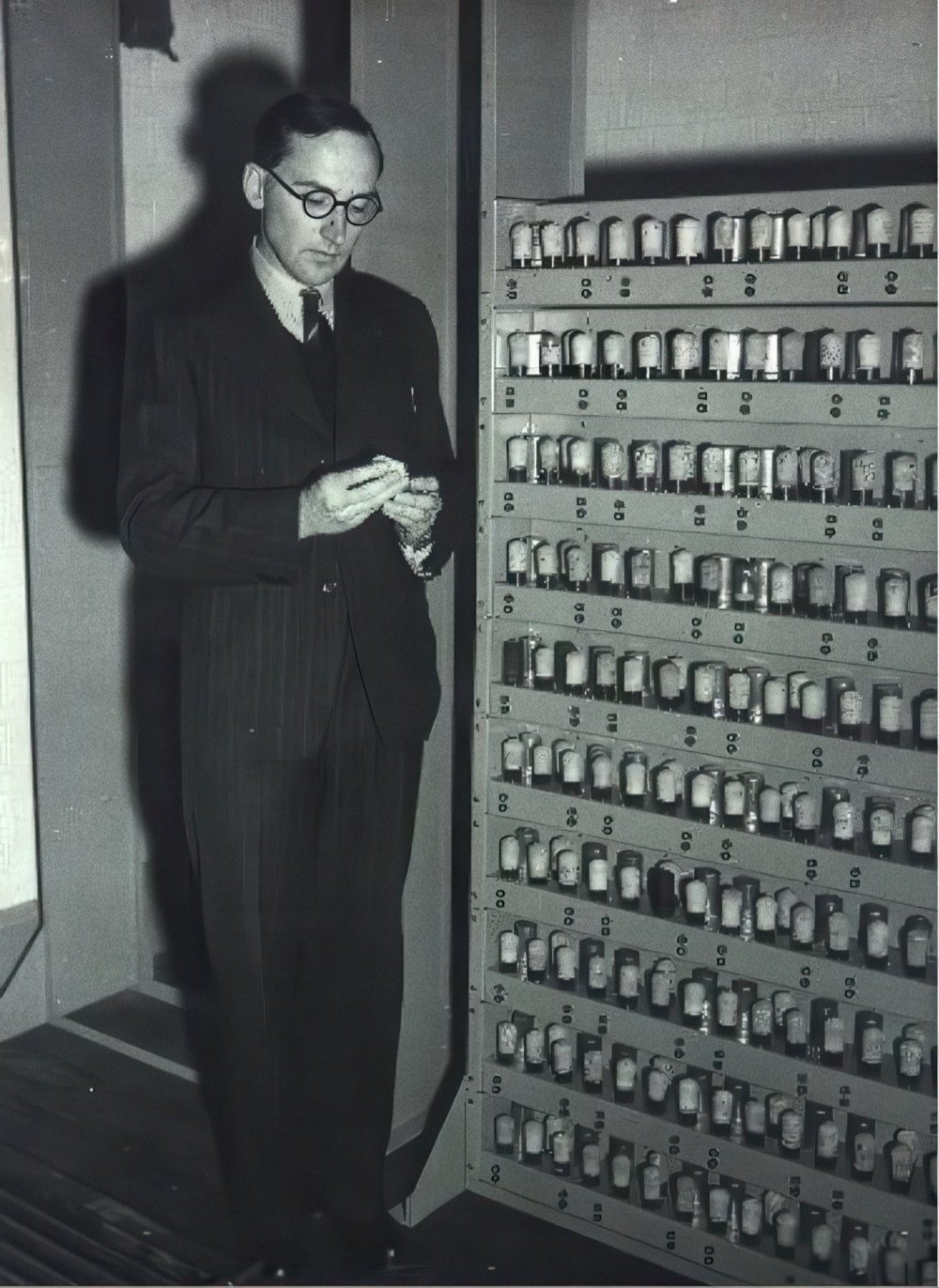
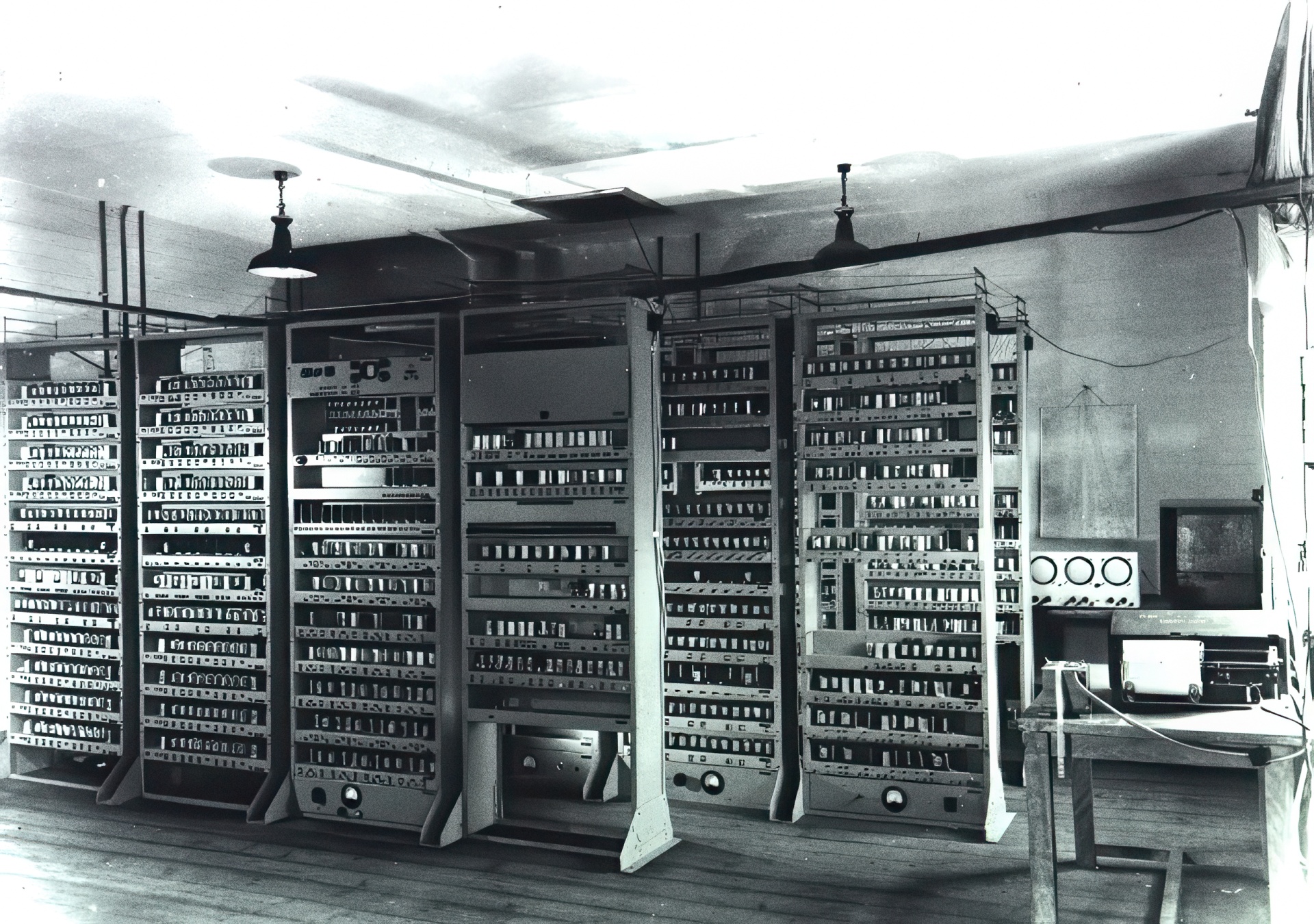
© Computer Laboratory, University of Cambridge, (CC BY 2.0 UK)
Maurice Wilkes had been working on the idea of EDSAC since 1946 – the Electronic Delay Storage Automatic Calculator – to run advanced mathematical calculations for researchers.
Standingford and Thompson wrote an enthusiastic report to the Lyons board that outlined the opportunity facing Lyons and how collaboration with Cambridge could produce exactly the computer they wanted: a machine built for business instead of science.
With the board’s approval Simmons offered Wilkes £3,000 – worth £152,368.68 today (2026), 75 years later – and the services of a Lyons electrical engineer to help build EDSAC. Lyons could build a copy if it proved successful. Wilkes agreed and the partnership got underway in late 1947.
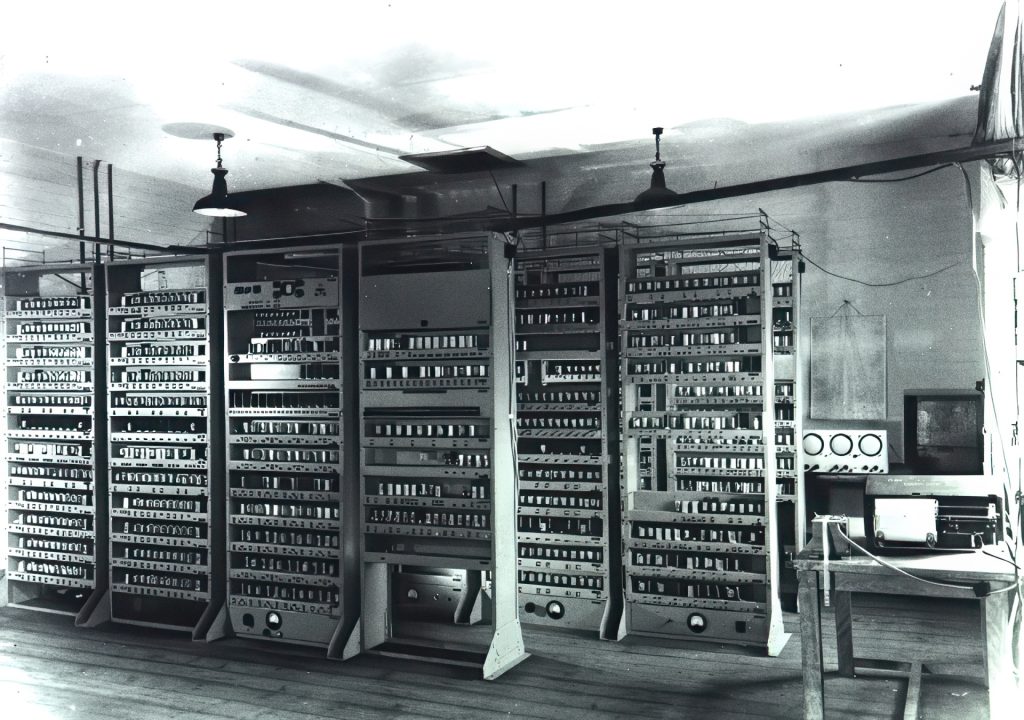
Less than two years later, in May 1949, EDSAC ran its first program and J. Lyons & Co. pressed ahead with the Lyons Electronic Office – LEO – at its main factory in Cadby Hall, West London. Key among the initial team was Cambridge graduate John Pinkerton, recruited as LEO engineering manager and hired with Wilkes’ keen approval. Pinkerton adapted the EDSAC design into something larger and capable of automating the work of office clerks and administrators reliably on a very large scale.
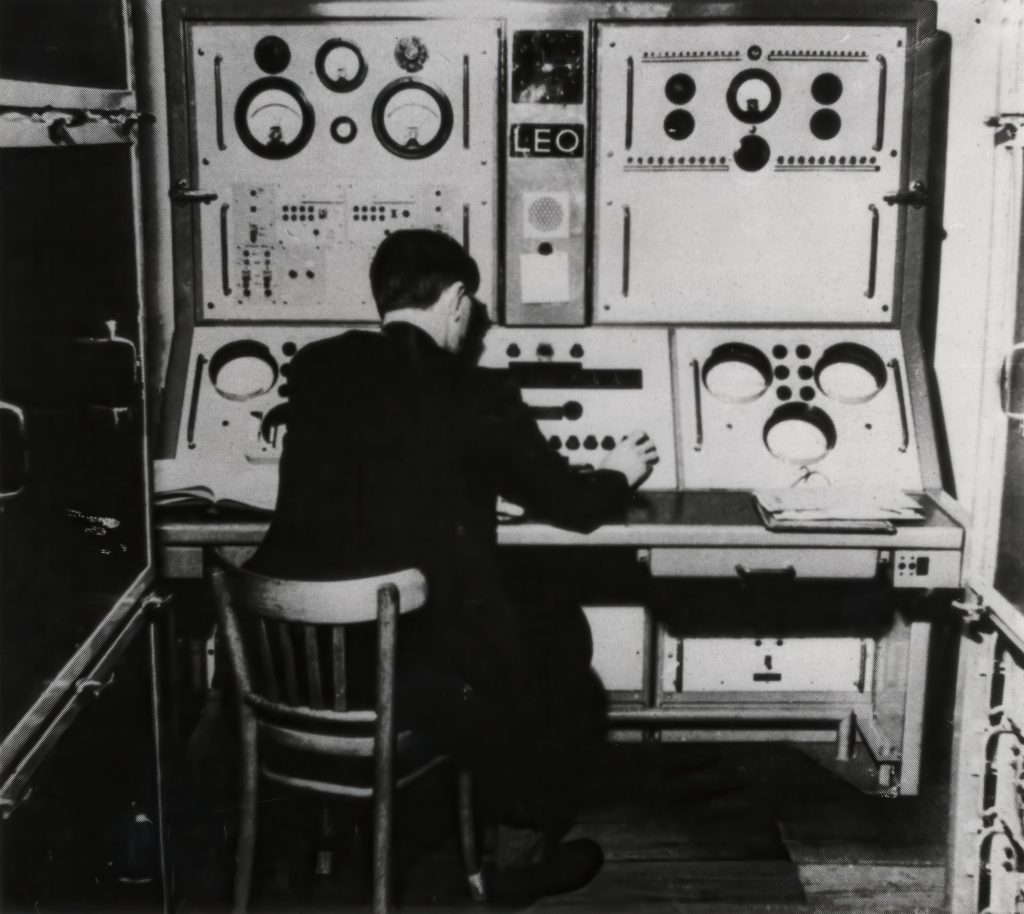
Work was conducted in secret out of concern new US computer makers like IBM might beat Lyons. Alongside the hardware, Lyons developed what would become the world’s first business application: the Bakery Valuation programme. LEO went live with the bakery programme after around three months of testing and from November 29 1951 onwards took over full-time from Lyons’ busy clerks.
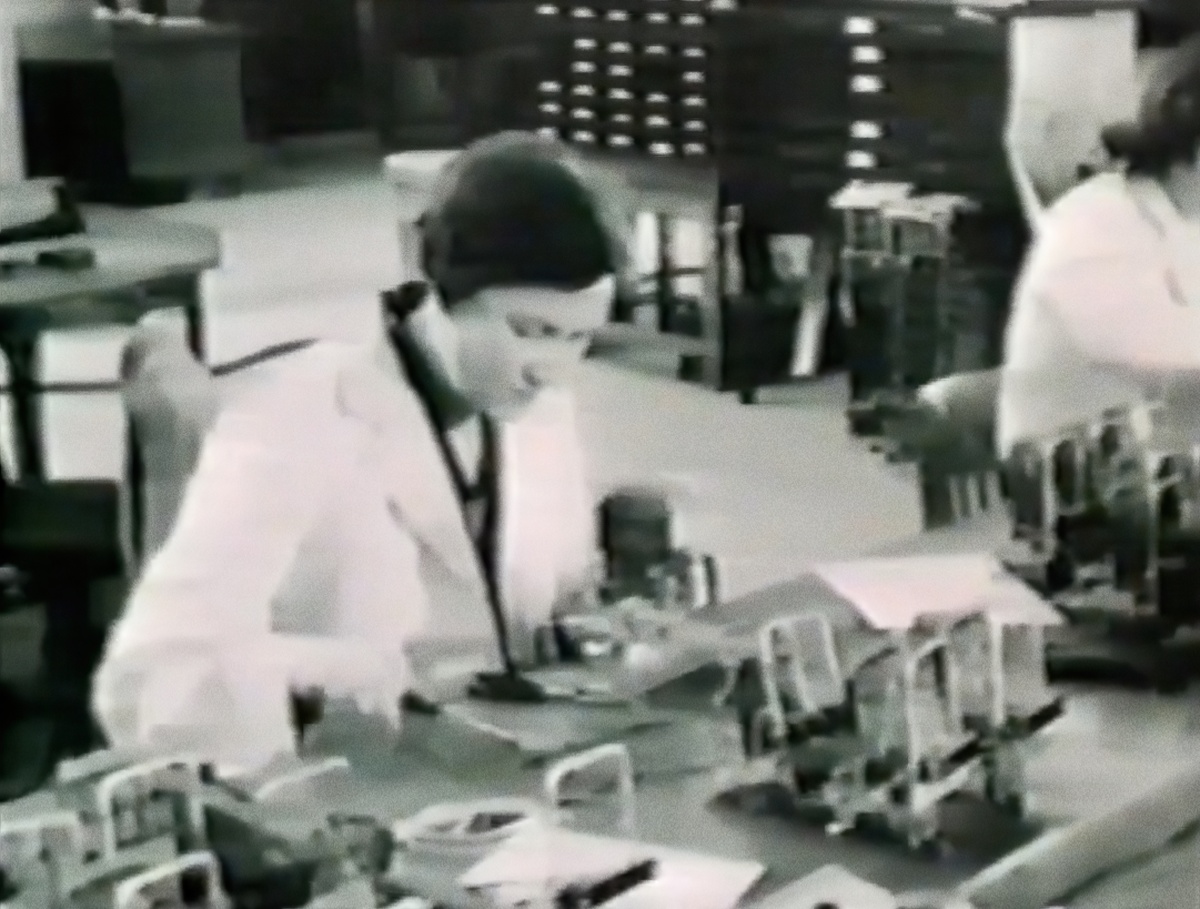
Within three years, Lyons considered it reliable and accurate enough to calculate the wages of its 10,000 staff. LEO slashed the time taken to produce an individual payslip from eight to 1.5 minutes. Businesses and government departments soon began asking Lyons to use LEO.
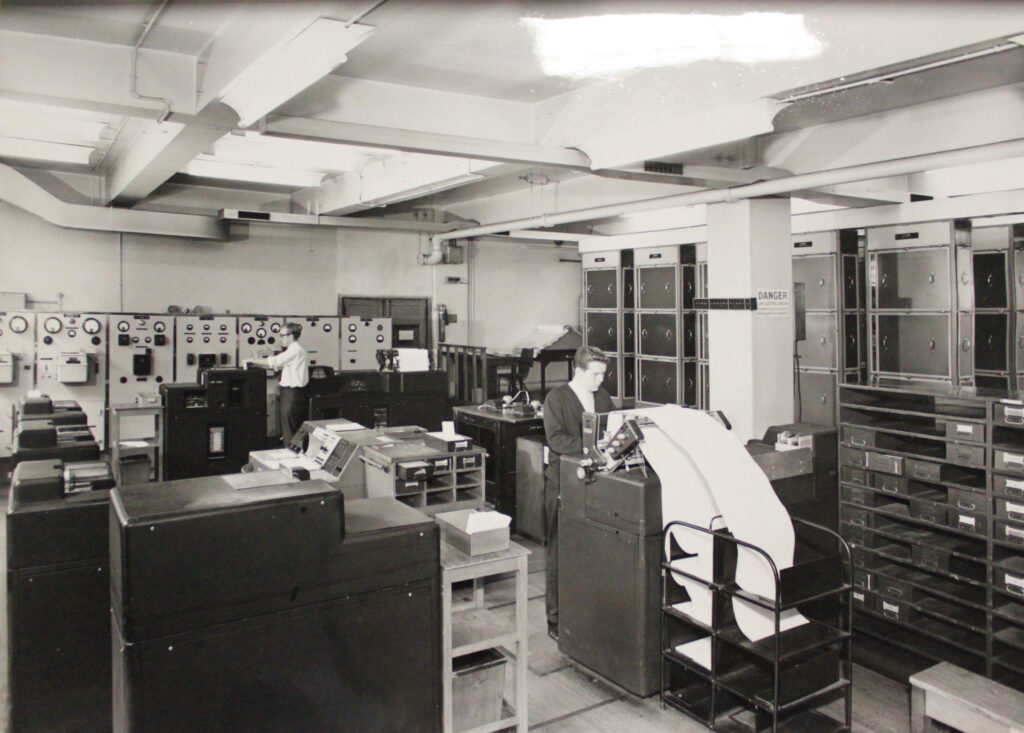
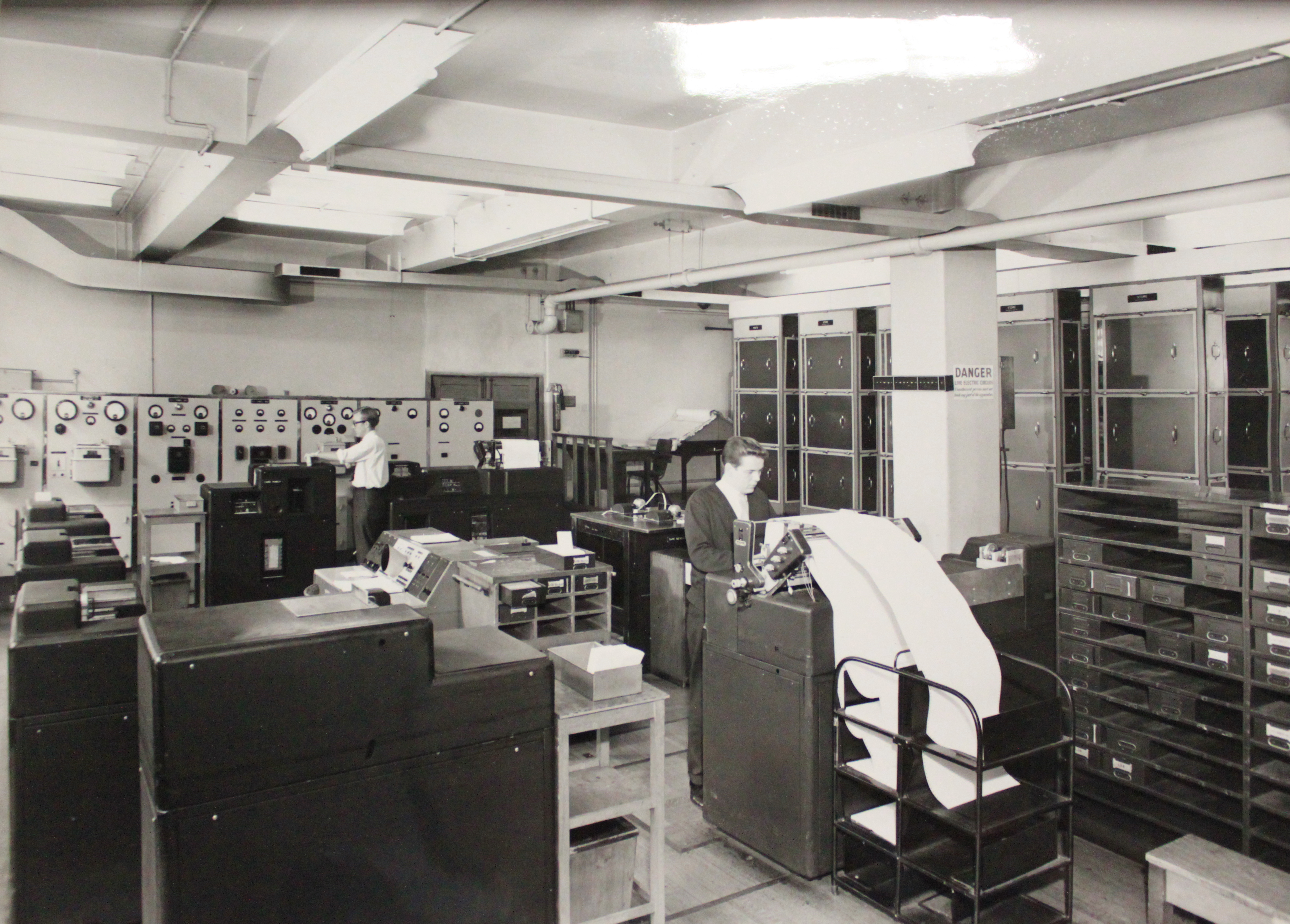
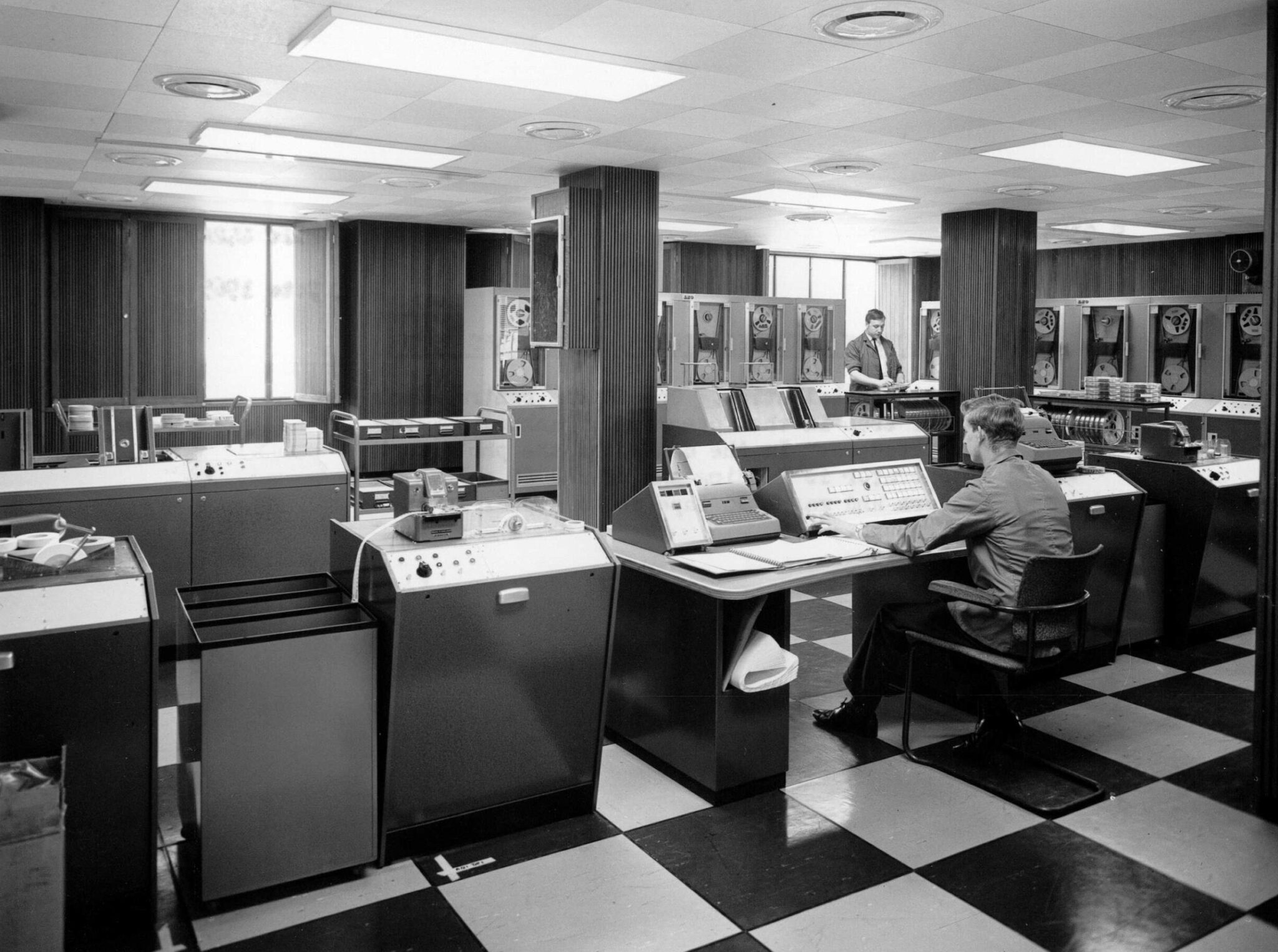
Estimated as taken c1964. LEO is fully operational and the image has been used as the basis for the Virtual Reality LEO room at The Centre for Computing History
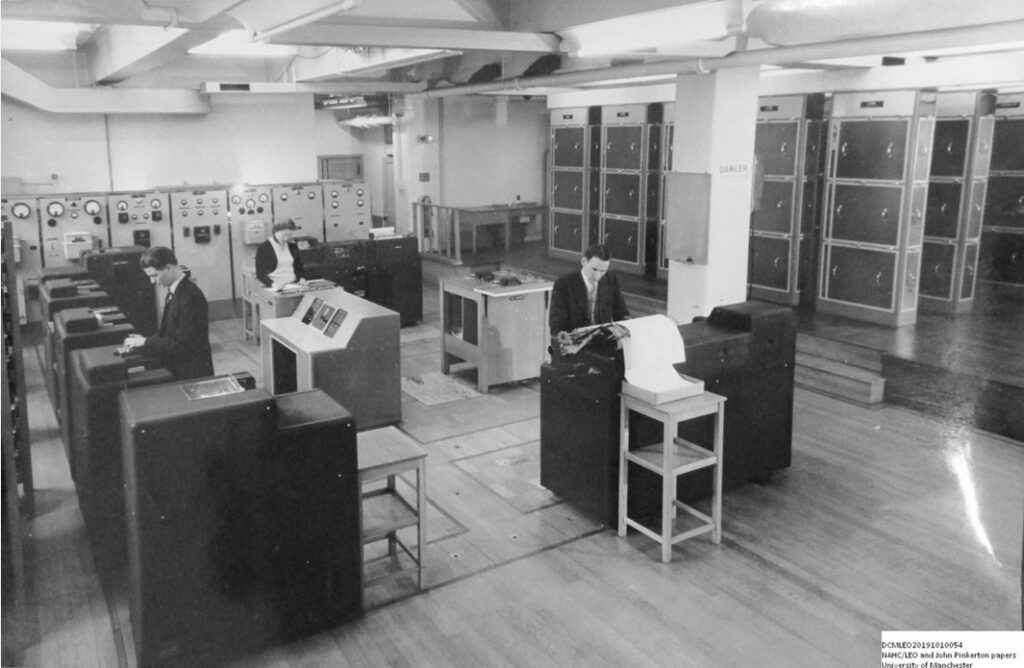
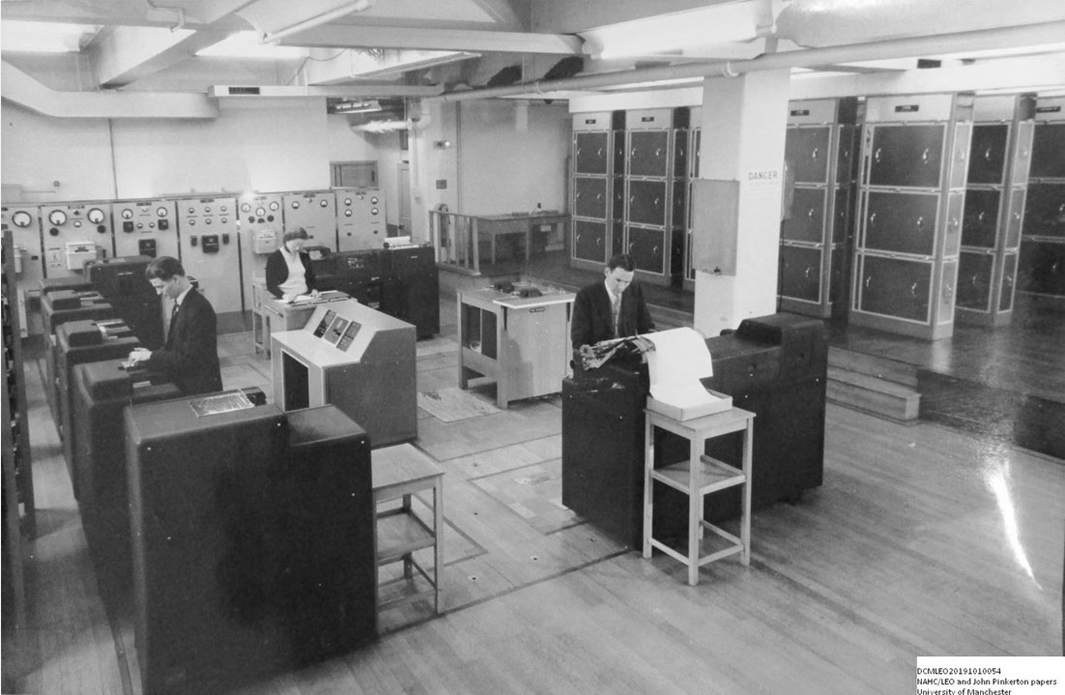
Manchester University – 1953/54
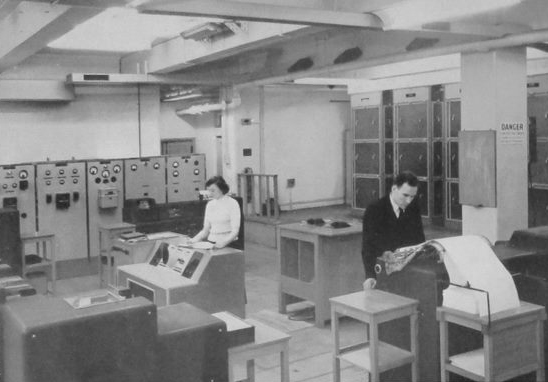
Manchester University
By the end of 1954, LEO was calculating payroll for Ford at Dagenham, producing weather forecasting tables for the Met Office and generating missile tables for British aircraft manufacturer de Havilland. For the former British Transport Commission, LEO calculated the distances between 4,000 railway stations which helped calculate transport charges and fares. By hand, the job was expected to take 50 people five years. LEO did it in 18 months.
By 1960, The British Government had become the biggest user of LEO’s successor, the LEO III. The General Post Office (GPO), owned by the government and that ran the nation’s phone service, placed a record order for seven LEO IIIs in a deal worth £3,500,000, £66,000,000 today. Eventually, 11 were purchased for telephone billing and National Savings.
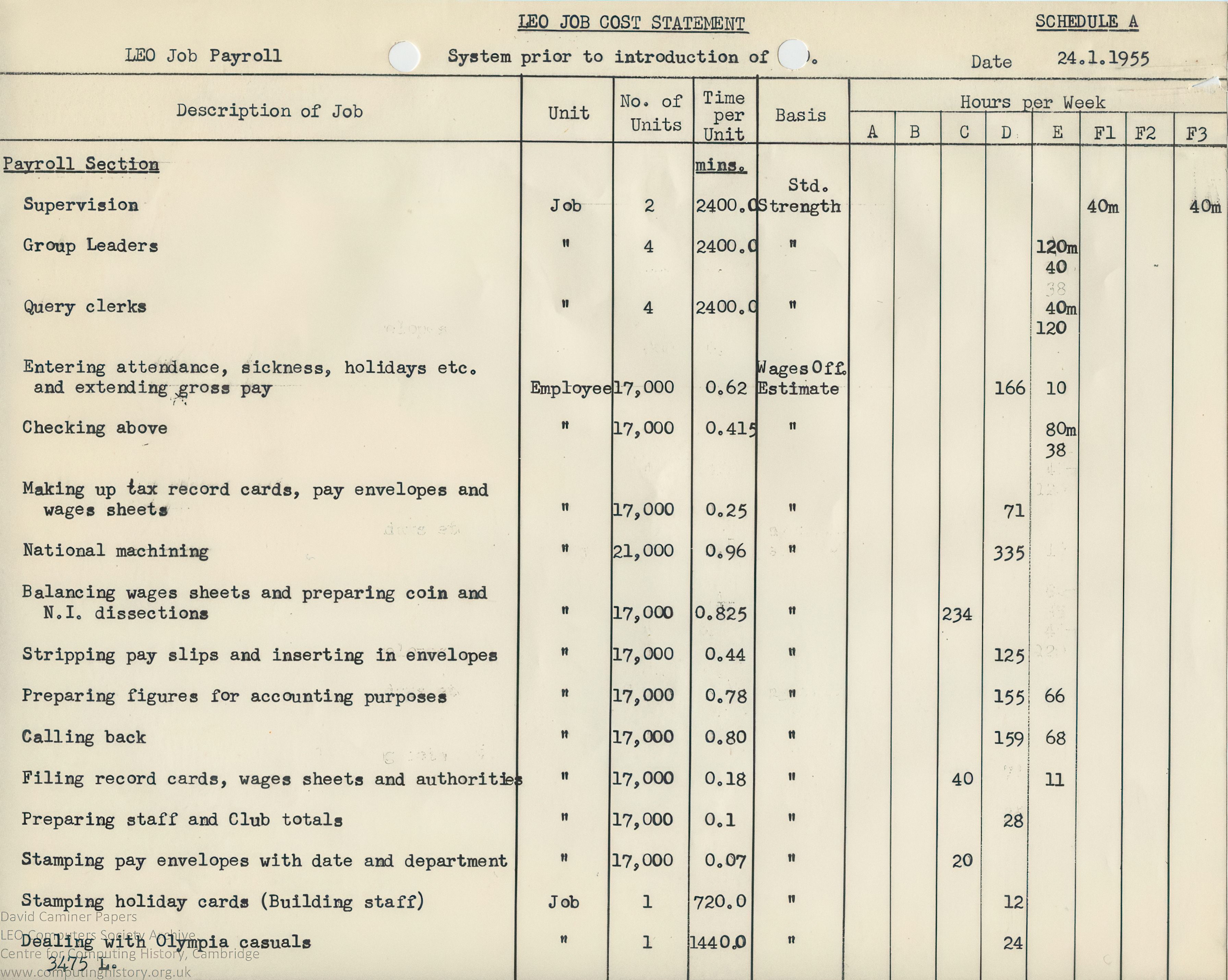
Curious minds and researchers can visit the Centre of Computing History’s LEO archive here to see what the payroll documents looked like.
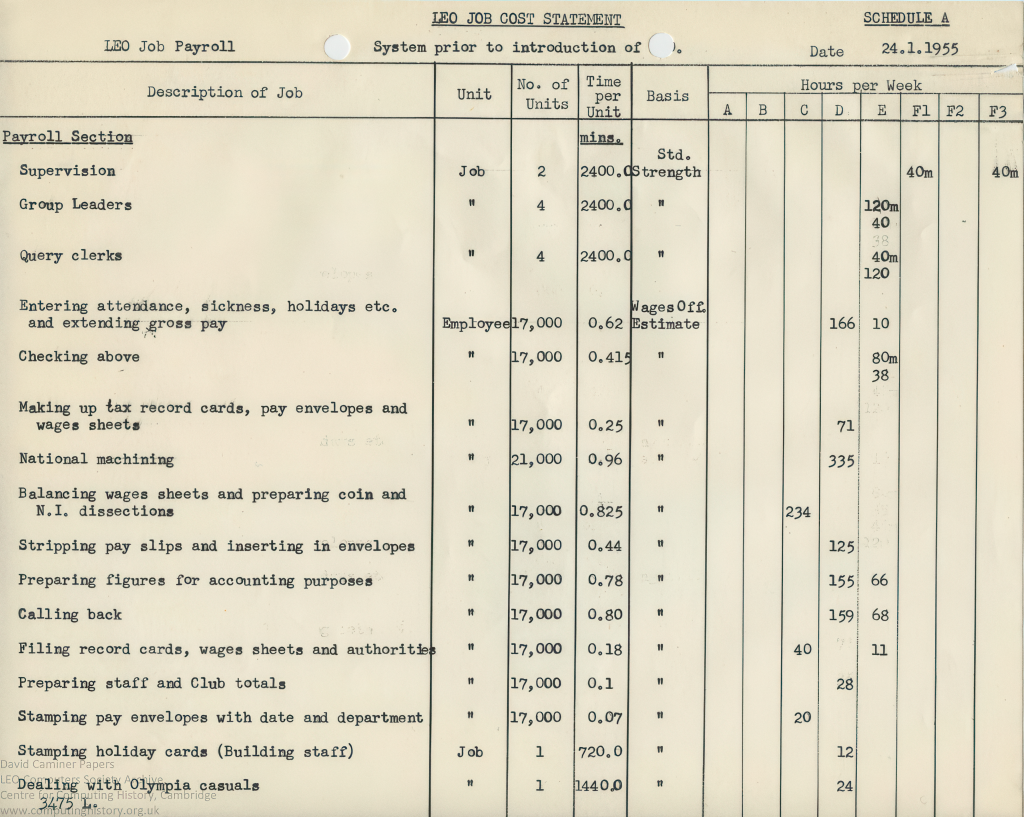




LEO I calculated payroll for governments and Ford in Dagenham, de Havilland, British Transport Commission, The General Post Office and weather forecasting
What was the LEO Computer? Facts, history and women in technology
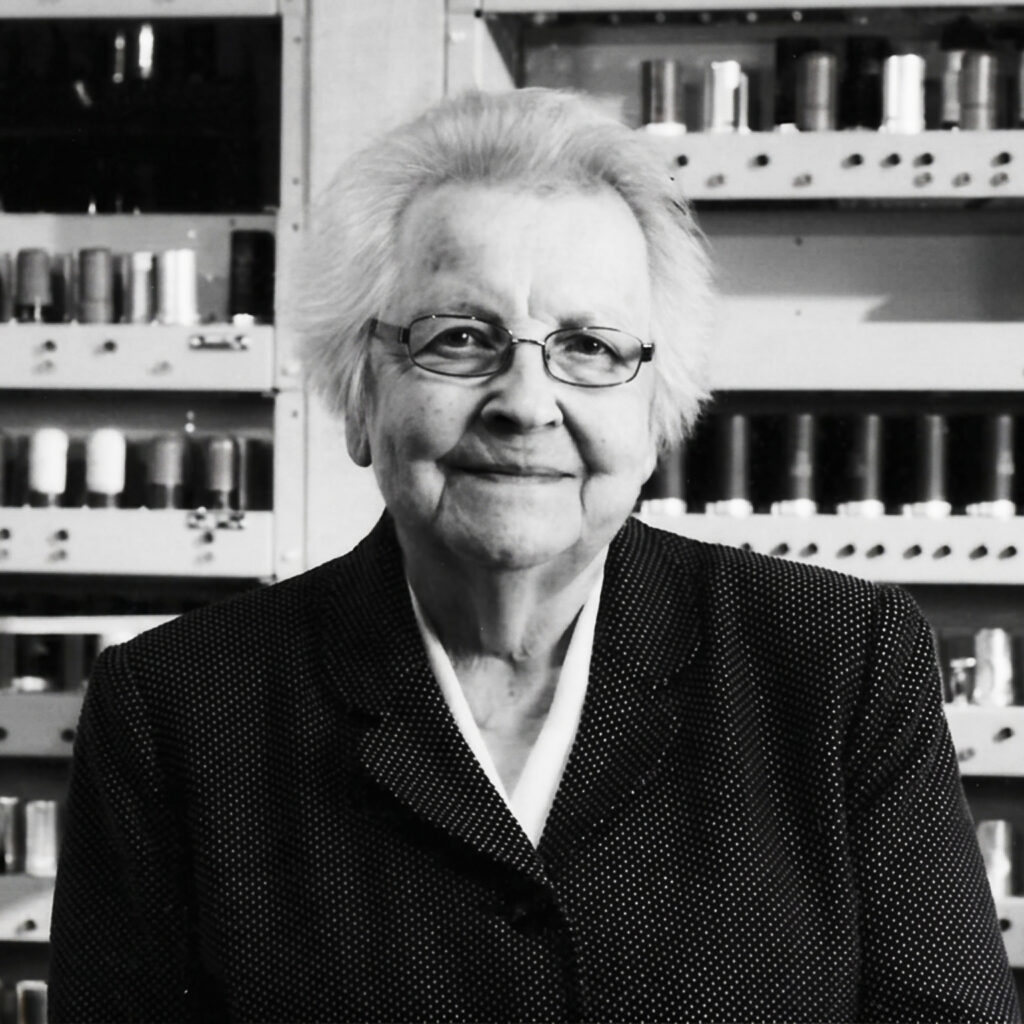
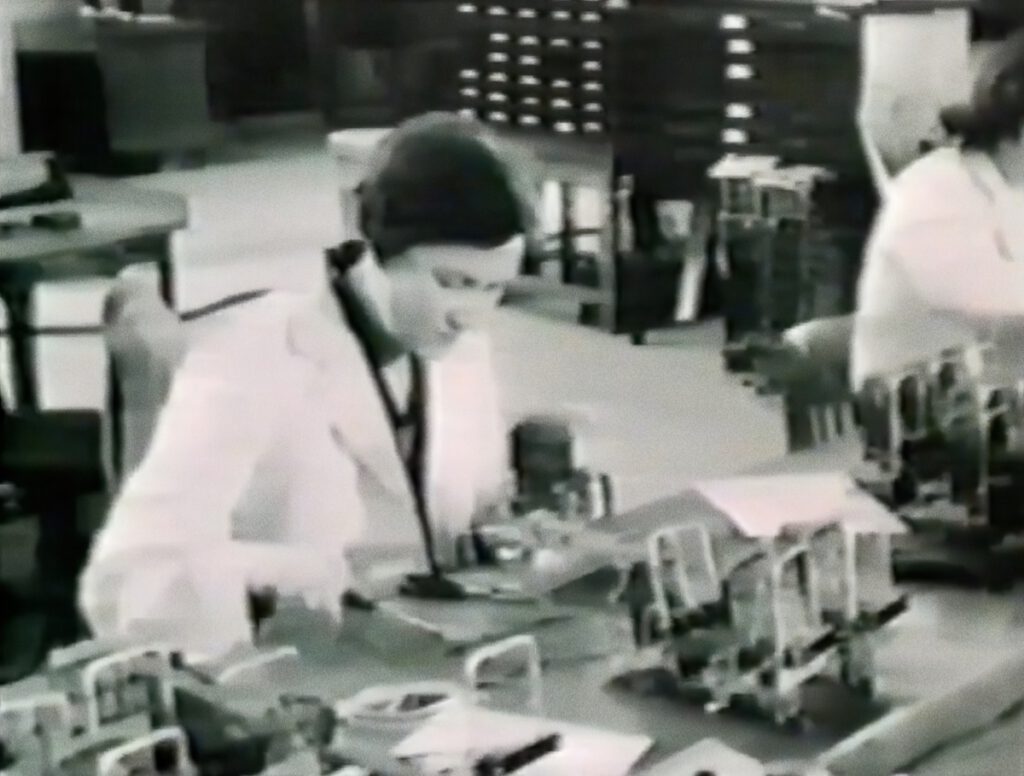
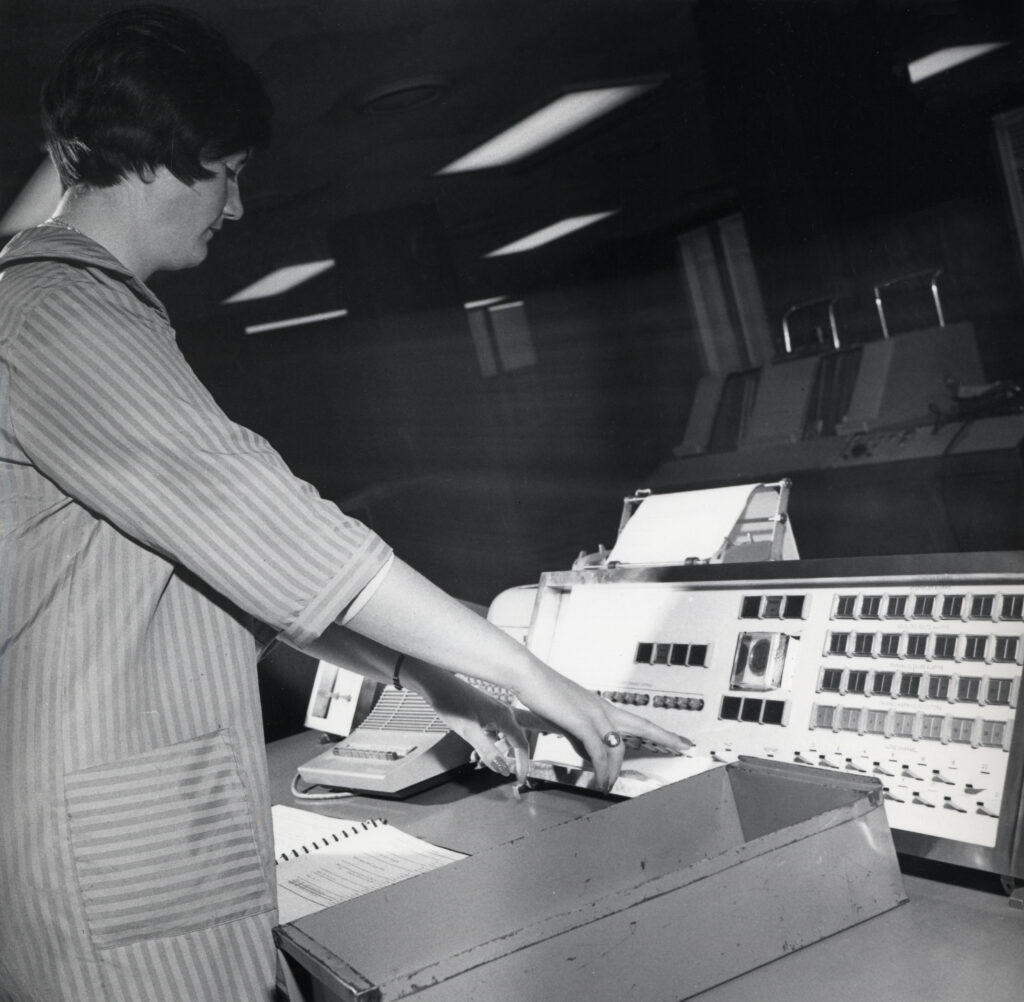
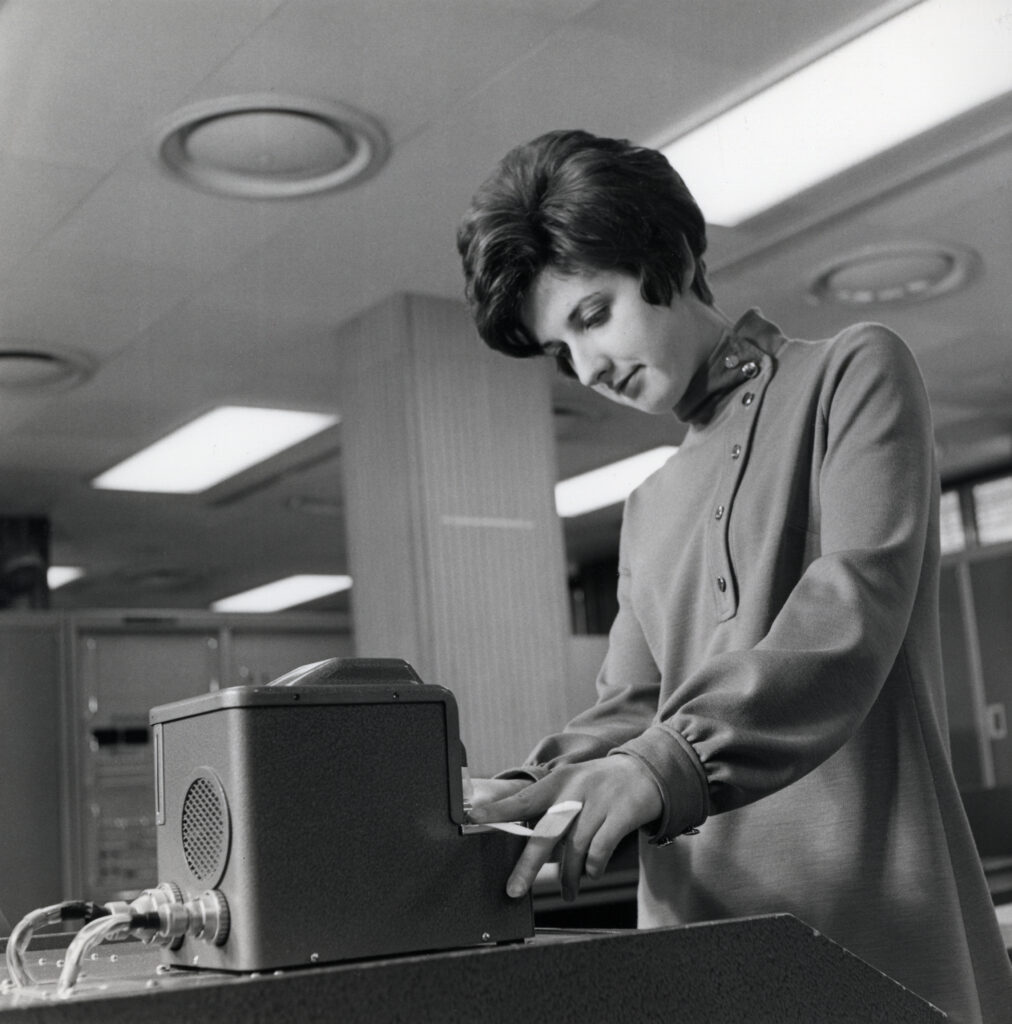
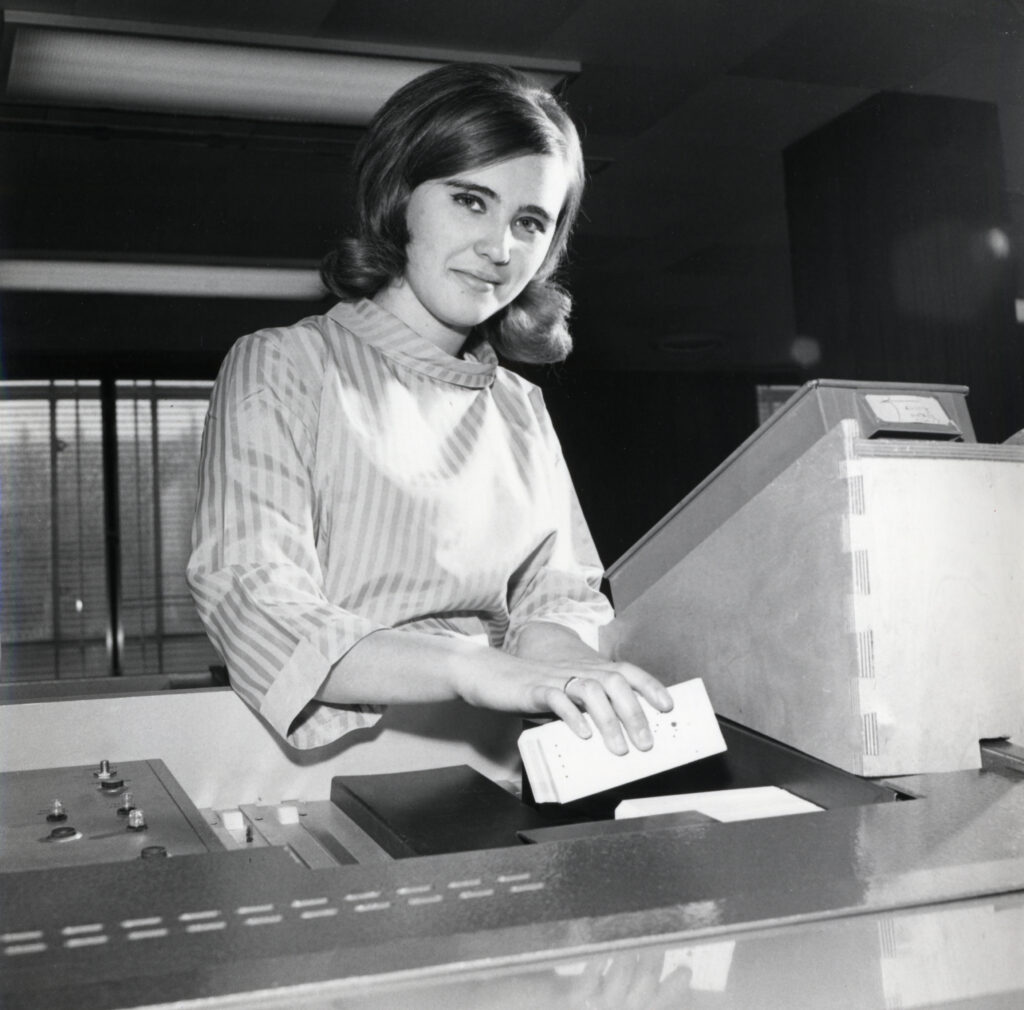
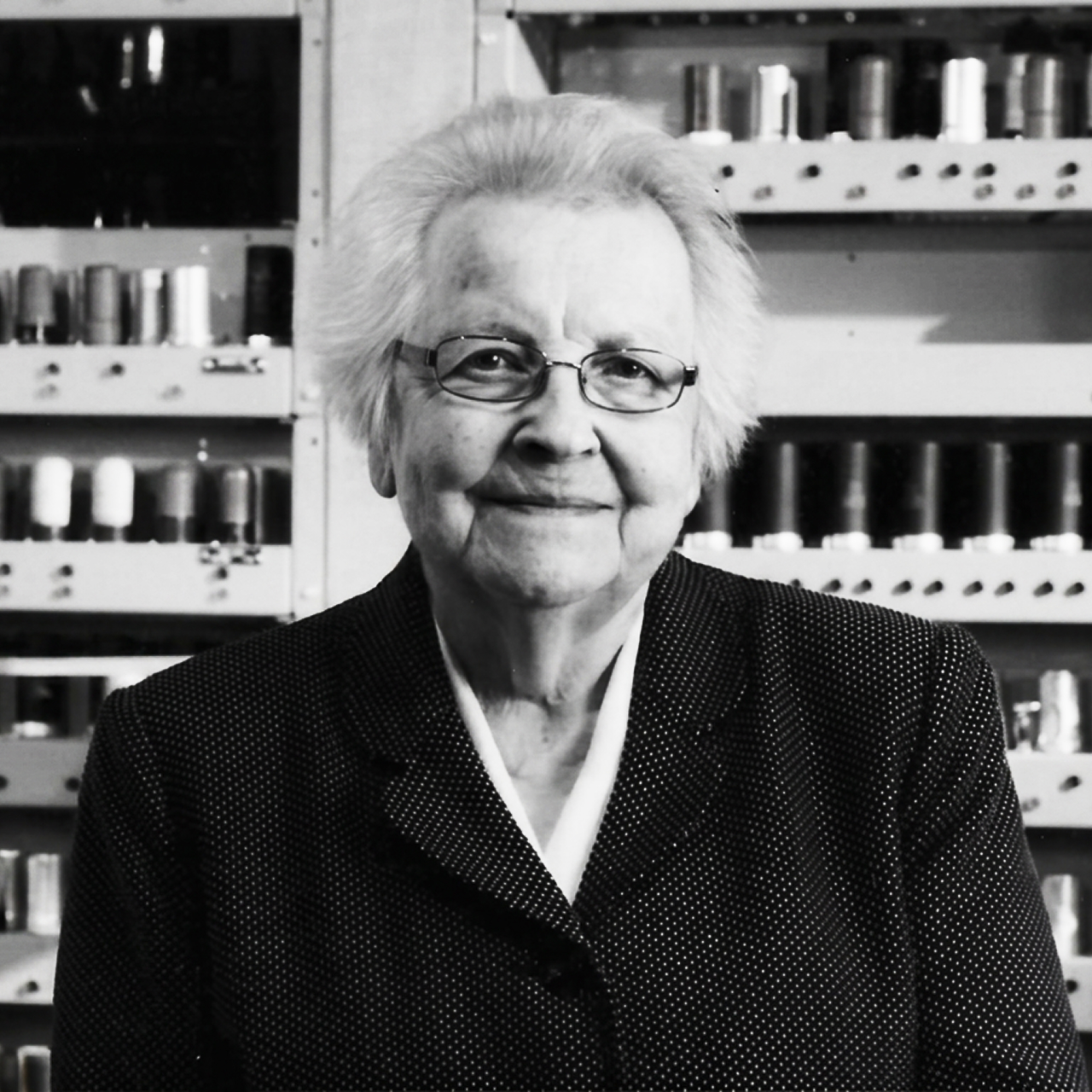
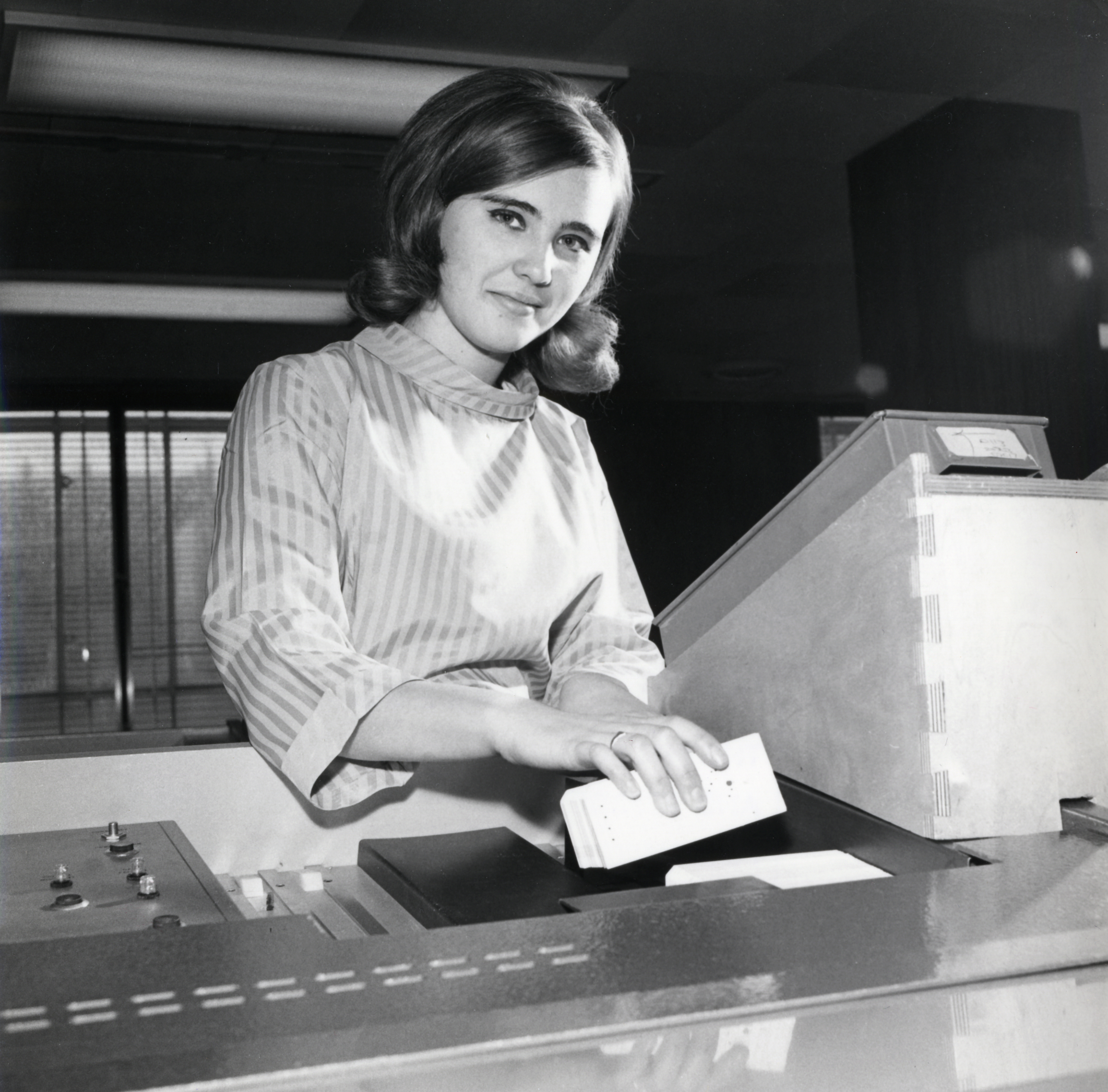
As demand for LEO grew, so did the need for programmers – creating opportunities for women to enter a profession that barely existed. The first in the UK for business was Mary Coombs (née Blood), a modern languages graduate with a talent for mathematics became the world’s first woman commercial computer programmer. Mary was exactly the type of person John Simmons had imagined an electronic machine would lift out of Lyons’ clerical drudgery: stuck in statistical work Mary was considering leaving Lyons. We don’t have a headshot of Mary Coombs in the archive
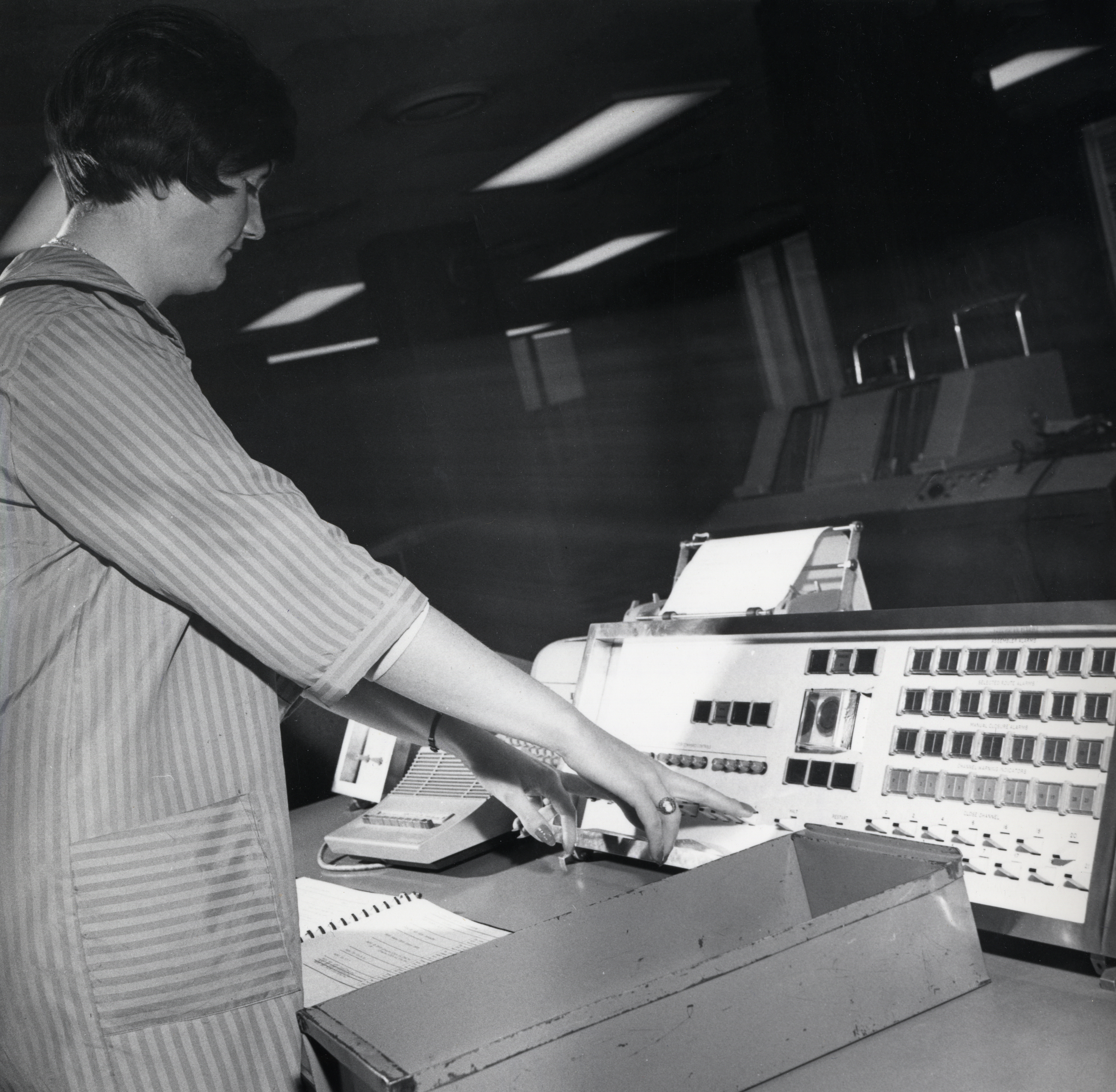
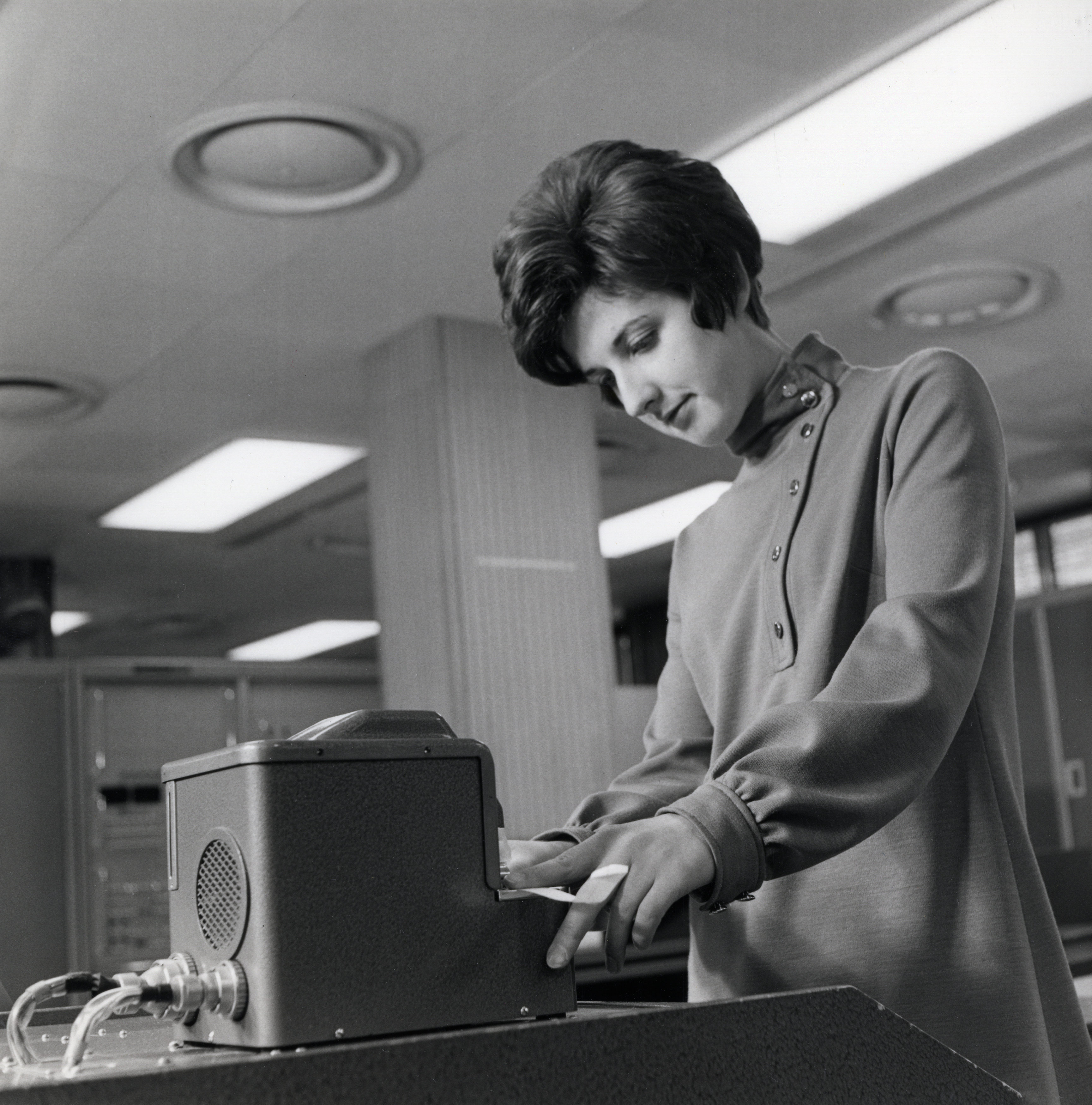
Hearing of LEO, Mary took an extremely demanding aptitude test devised by Lyons and passed – just one of two candidates from a complement of 10. Mary set to work on LEO’s payroll system, making her the world’s first woman commercial software programmer, later supervising other programmers and working on successive generations of LEO. LEO had become more than the tool of office efficiency Lyons had envisioned, it was opening up a new kind of work for women such as Miss B. Plant, Gloria Guy, Kate Keen and Barbara Dickens.

World’s First Business Computer: The complete LEO story and its international dominance
In 1954 Lyons founded LEO Computers Ltd as a separate company – partly because the idea of a computer built by a bakery and catering business was difficult for other businesses to take seriously.
The British Government became its biggest customer by 1960, buying LEOs to process the nation’s telephone accounts and savings records. LEOs were sold in Czechoslovakia, South Africa and Australia, competing successfully against computers from US giant IBM. But success came at a price. Building computers required enormous amounts of capital and LEO Computers was making a loss. Lyons sold LEO Computers Ltd to its rival English Electric in 1963. Five years later, LEO became part of the government-backed International Computers Limited and LEO’s slowly disappeared. The last LEO III was finally switched off in 1981.
That same year work began on LEO II followed by the more ambitious LEO III. Faster, more flexible and able to run several programs, LEO III helped establish LEO as a serious force in British business computing.
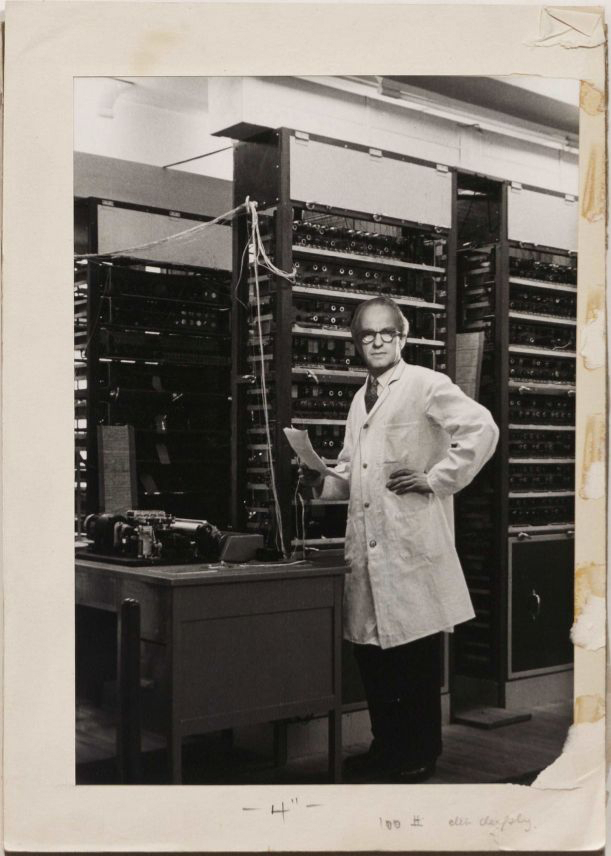
Modern Records Centre, University of Warwick Library
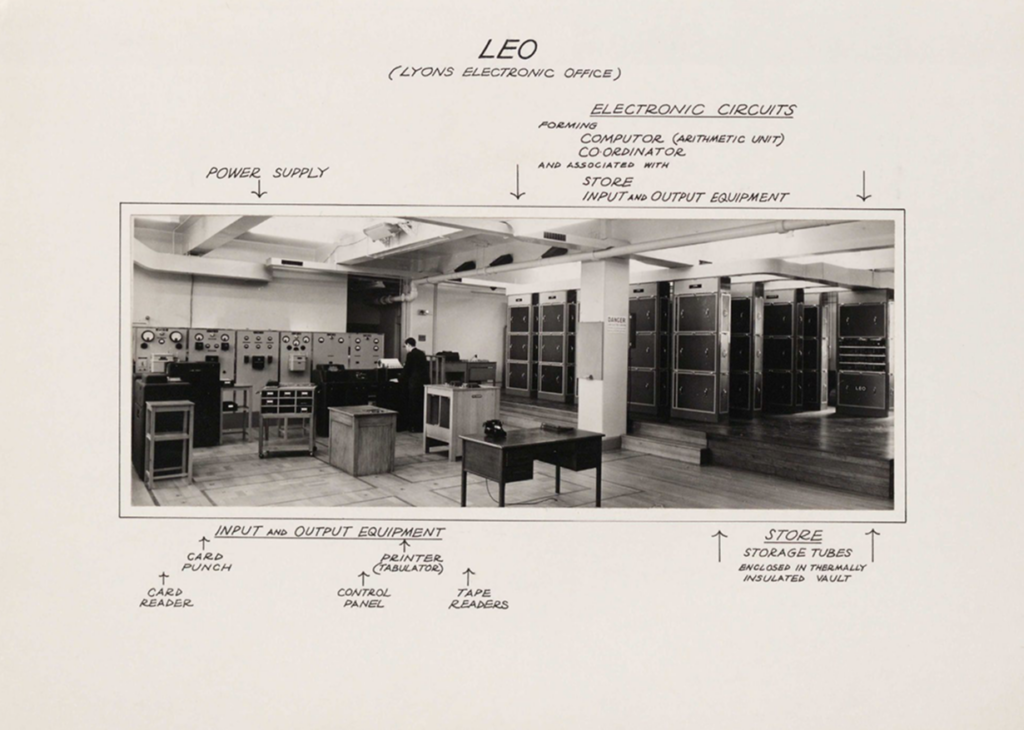
Modern Records Centre at University of Warwick Library
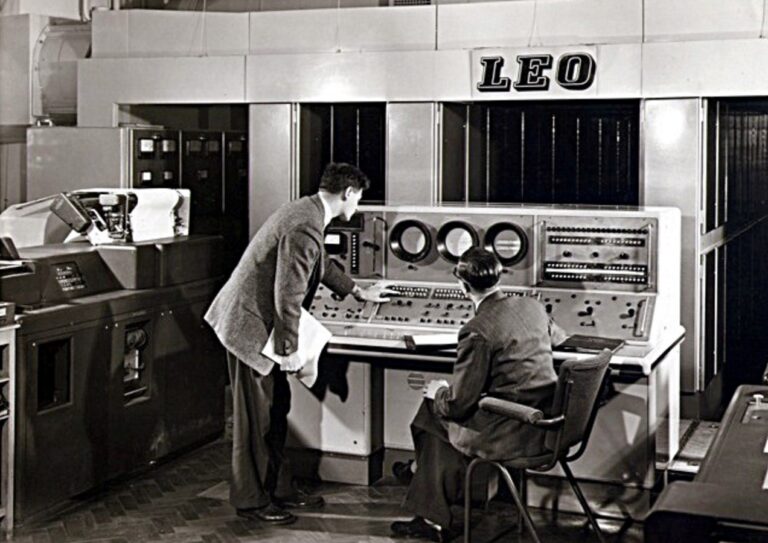
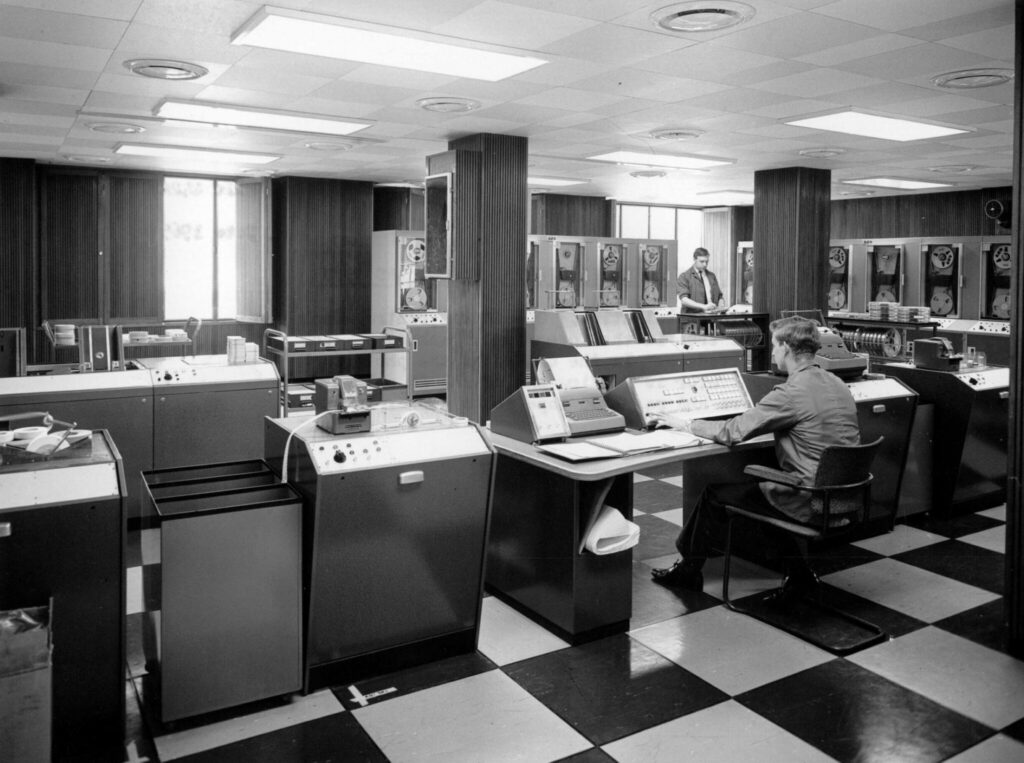
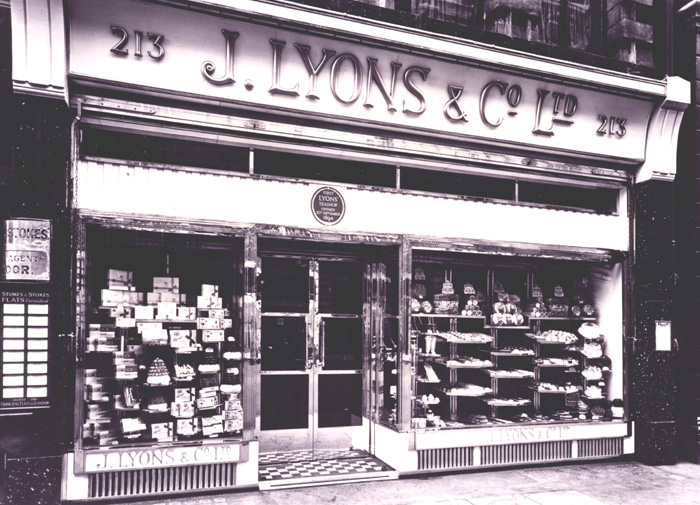
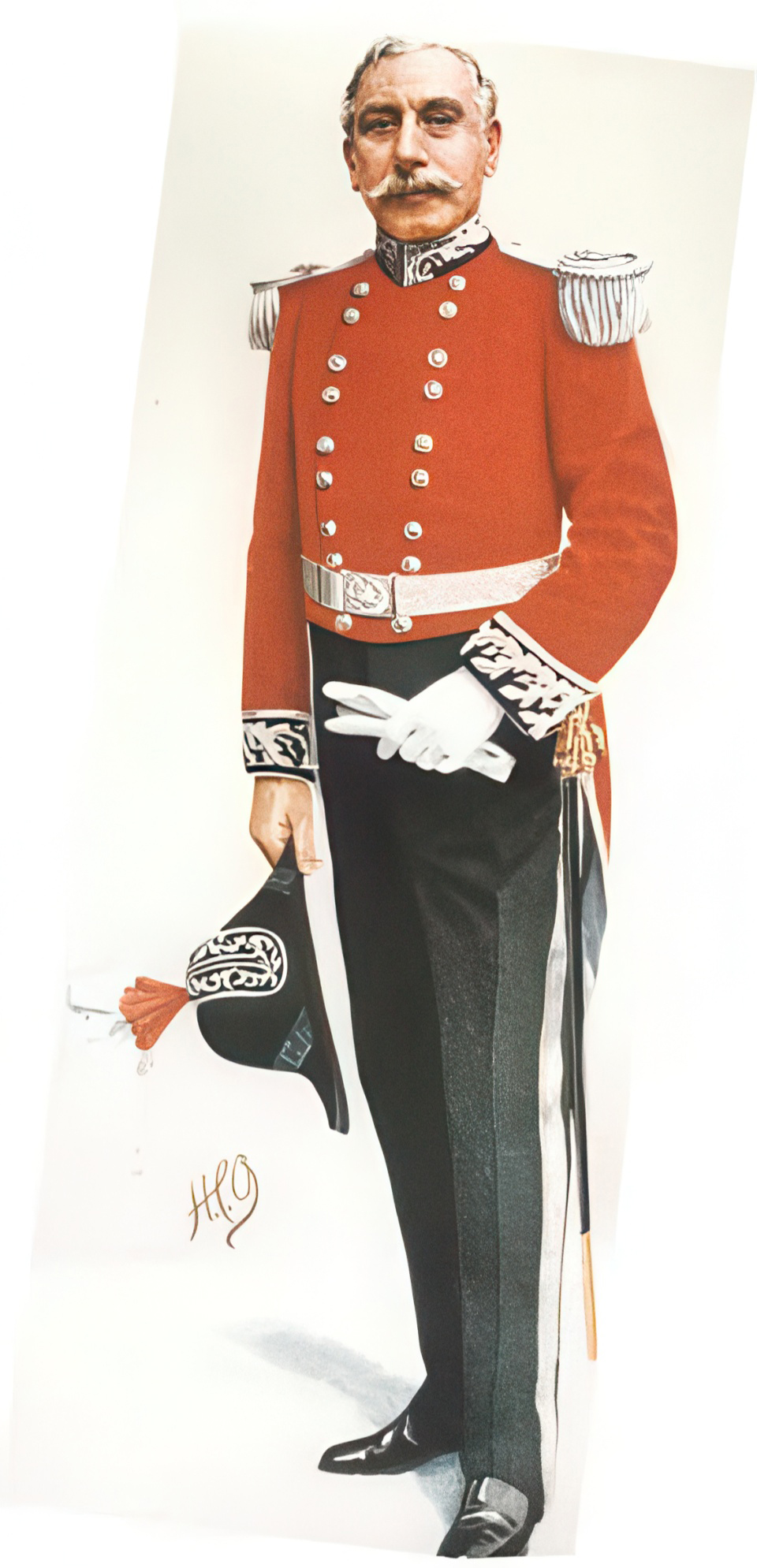
LEO lives on through the efforts of the LEO Computers Society. English Heritage also installed a blue plaque in Hammersmith to honour the company founder Joseph Lyons (1847-1917). He opened his first tea-shop in London in September 1894 and became the fabric of the British community for decades.


LEO computers and its influence on today’s business computing processes
Today, companies like Ocado use the same principles of logistics that were first put into business use by J. Lyons & Co. using the LEO, to place inventory in delivery trucks based on the route the truck takes, so that drop-offs can be quick and efficient, particularly for perishable items.